• Request Info
  • Visit
  • Apply
  • Give
  • Request Info
  • Visit
  • Apply
  • Give

Search

  • A-Z Index
  • Map

College of Education, Health, and Human Sciences

  • Academics
    • Academics Overview
    • Undergraduate Students
    • Graduate Students
  • Student Experience
    • Student Experience Overview
    • Student Organizations and Involvement
    • Student Support
    • Advising
  • Centers and Outreach
    • Centers and Outreach Overview
    • Centers
    • Outreach
    • Office of Community Engagement and Partnerships
  • About
    • About Overview
    • People
    • Working at CEHHS
    • Professional Licensure
    • College and University Resources
    • Research and External Funding
    • News
    • Alumni
  • Academics
    • Academics Overview
    • Undergraduate Students
    • Graduate Students
  • Student Experience
    • Student Experience Overview
    • Student Organizations and Involvement
    • Student Support
    • Advising
  • Centers and Outreach
    • Centers and Outreach Overview
    • Centers
    • Outreach
    • Office of Community Engagement and Partnerships
  • About
    • About Overview
    • People
    • Working at CEHHS
    • Professional Licensure
    • College and University Resources
    • Research and External Funding
    • News
    • Alumni
Home » Archives for Douglas Edlund » Page 2

RHTM Hosts Big Orange Hospitality Day

RHTM Hosts Big Orange Hospitality Day

RHTM Hosts Big Orange Hospitality Day

September 15, 2025 by Douglas Edlund

RHTM Hosts Big Orange Hospitality Day

Inaugural Event Connects Students, Teachers, and Advisors with Industry Leaders

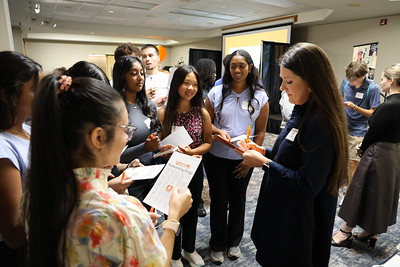
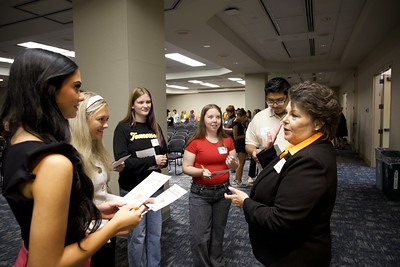
The Department of Retail, Hospitality, and Tourism Management (RHTM) in the University of Tennessee, Knoxville, hosted its inaugural Big Orange Hospitality Day in partnership with Tennessee DECA and FBLA. The event welcomed 128 high school students and 17 teachers/advisors from across the state to explore dynamic career opportunities in the hospitality and tourism industry.

The day-long program immersed students in the field through interactive activities, behind-the-scenes tours, and networking with industry professionals. More than 26 hospitality and tourism partners contributed by sharing career pathways during the networking session, hosting business tours, and providing door prizes and swag bag items for students and teachers.
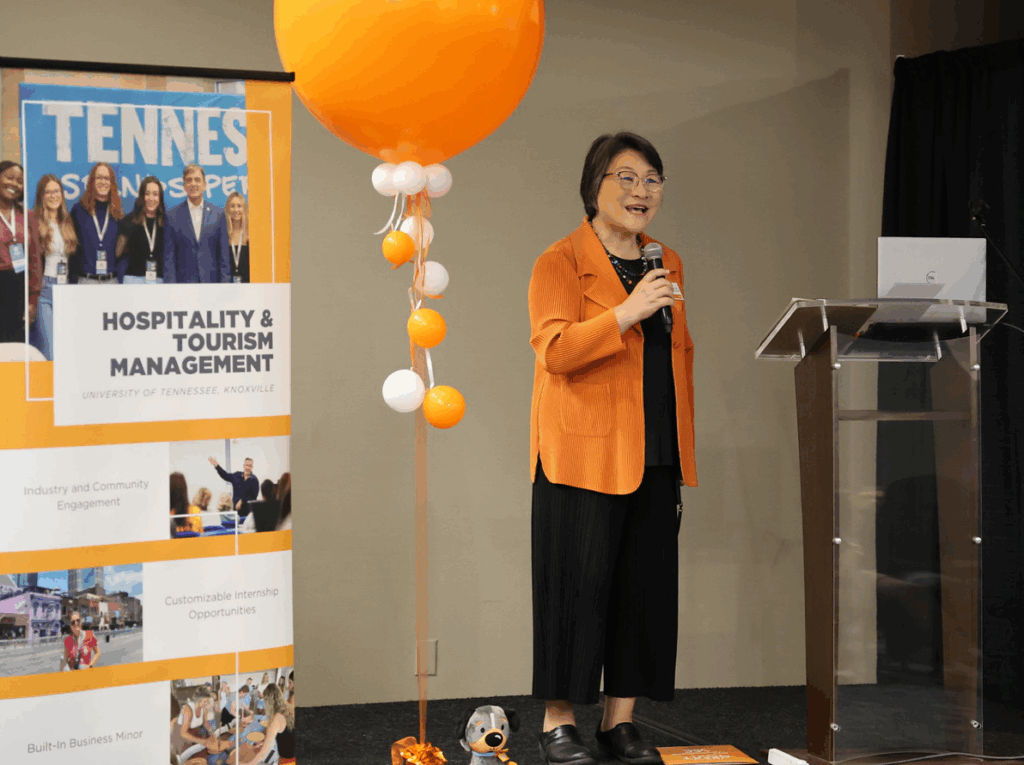
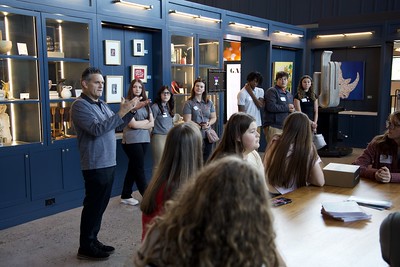
RHTM Department Head, Junehee Kwon Welcomes Attendees

Highlights included exclusive tours of downtown Knoxville landmarks such as the Tennessean Hotel, Tennessee Theatre, Sunsphere Visitors Center, Hyatt Place, Maple Hall, and the Marriott Maker Space with Dogwood Arts. Students learned about each property’s operations and gained firsthand exposure to environments where hospitality professionals build their careers. The event concluded with a celebratory lunch at Covenant Health Park, generously sponsored by The 9 Group: A Knoxville Family of Hotels.

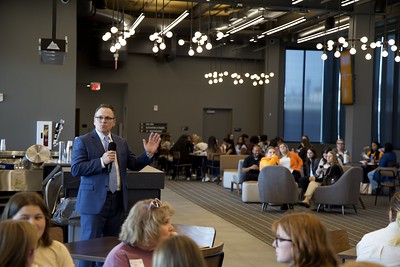
Christopher Kelley, senior coordinator of Hospitality and Tourism Management (HTM) and event organizer, emphasized the importance of collaboration.

“This event was only possible thanks to the generous support of the hospitality industry, who gave their time and showcased their passion to inspire the next generation,” Kelley said. “Our department is committed to fostering curiosity in this career field in order to serve the industry.”

Big Orange Hospitality Day reflects UT’s commitment to an unparalleled student experience and to preparing future leaders in hospitality and tourism. By connecting students with professionals and offering hands-on experiences, the event aimed to spark interest in UT’s undergraduate HTM major.

Department head Junehee Kwon opened with a question, “Who wants to work with happy people?” underscoring the excitement of a people-centered industry.

“A major in HTM includes exceptional hands-on experiences, from our Blissful Wish Wedding project to behind-the-scenes work with the Big Ears Music Festival,” Kwon said. “Our students also graduate with a built-in business minor and personalized advising dedicated to their success.”
The event was spearheaded by the RHTM Department with major contributions from the UT Conference Center, which hosted the opening session; The 9 Group, which sponsored lunch; and planning committee members Zach Buchanan (Tennessee DECA/FBLA), Angie Wilson (UT Enrollment Management), Jill Thompson (Greater Knoxville Hospitality Association & RHTM Advisory Board), Martha Axford (ABC Design & RHTM Advisory Board), and Monica Armstrong (Visit Knoxville).

If you want to learn more about UT’s Hospitality and Tourism Management major, visit our website, or contact HTM Senior Coordinator Christopher Kelley at ckelle15@utk.edu.

You can also view a photo gallery of the event here.
Filed Under: CEHHS, Departments, Events, Retail, Hospitality, and Tourism Management, Uncategorized

Are High School Sports Living Up to Their Ideals?

Are High School Sports Living Up to Their Ideals?

September 3, 2025 by Douglas Edlund

Are High School Sports Living Up to Their Ideals?

Most coaches want to be able to do more than teach their athletes to win faceoffs and dodge defenders

By Jedediah Blanton (University of Tennessee, Knoxville) and Scott Pierce (Illinois State University) | Republished from The Conversation

Coach Smith was an easy hire as the head coach of a new high school lacrosse team in Tennesseee: She had two decades of coaching experience and a doctorate in sport and exercise science.

After signing the paperwork, which guaranteed a stipend of US$1,200, Smith – we’re using a pseudonym to protect her identity – had four days to complete a background check, CPR and concussion training and a Fundamentals of Coaching online course. After spending $300 to check all these boxes, the job was hers. 

The Tennessee Secondary School Athletic Association’s mission statement highlights how high school athletes should be molded into good citizens and have their educational experiences enhanced by playing sports. 

Yet Coach Smith hadn’t received any guidance on how to accomplish these goals. She didn’t know how a high school coach would be evaluated – surely it went beyond wins, losses and knowing CPR – or how to make her players better students and citizens.

Over the past 15 years, our work has focused on maximizing the benefits of high school sports and recognizing what limits those benefits from being reached. We want to know what high school sports aspire to be and what actually happens on the ground.

We have learned that Coach Smith is not alone; this is a common story playing out on high school fields and courts across the country. Good coaching candidates are getting hired and doing their best to keep high school sports fixtures in their communities. But coaches often feel like they’re missing something, and they wonder whether they’re living up to those aspirations.

Does the Mission Match Reality?

Dating back to the inception of school-sponsored sport leagues in 1903, parents and educators have long believed that interscholastic sports are a place where students develop character and leadership skills. 

Research generally backs up the advantages of playing sports. In 2019, high school sports scholar Stéphanie Turgeon published a review paper highlighting the benefits and drawbacks of playing school sports. She found that student-athletes were less likely to drop out, more likely to be better at emotional regulation and more likely to contribute to their communities. While athletes reported more stress and were more likely to drink alcohol, Turgeon concluded that the positives outweighed the negatives.

The governing body of high school sports in the U.S., the National Federation of State High School Associations, oversees 8 million students. According to its mission statement, the organization seeks to establish “playing rules that emphasize health and safety,” create “educational programs that develop leaders” and provide “administrative support to increase opportunities and promote sportsmanship.”

Digging deeper into the goals of sports governing bodies, we recently conducted a study that reviewed and analyzed the mission statements of all 51 of the member state associations that officially sponsor high school sports and activities.

In their missions, most associations described the services they provided – supervising competition, creating uniform rules of play and offering professional development opportunities for coaches and administrators. A majority aimed to instill athletes with life skills such as leadership, sportsmanship and wellness. Most also emphasized the relationship between sports and education, either suggesting that athletics should support or operate alongside schools’ academic goals or directly create educational opportunities for athletes on the playing field. And a handful explicitly aspired to protect student-athletes from abuse and exploitation. 

Interestingly, seven state associations mentioned that sports participation is a privilege, with three adding the line “and not a right.” This seems to conflict with the National Federation of State High School Associations, which has said that it wants to reach as many students as possible. The organization sees high school sports as a place where kids can further their education, which is a right in the U.S. This is important, particularly as youth sports have developed into a multibillion-dollar industry fueled by expensive travel leagues and club teams.

We also noticed what was largely missing from these mission statements. Only two state athletic associations included a goal for students to “have fun” playing sports. Research dating back to the 1970s has consistently shown that wanting to have fun is usually the No. 1 reason kids sign up for sports in the first place. 

Giving Coaches the Tools to Succeed

Missions statements are supposed to guide organizations and outline their goals. For high school sports, the opportunity exists to more clearly align educational initiatives and evaluation efforts to fulfill their missions. 

If high school sports are really meant to build leadership and life skills, you would think that the adults running these programs would be eager to acquire the skill set to do this. Sure enough, when we surveyed high school coaches across the country in 2019, we found that 90% reported that formal leadership training programs were a good idea. Yet less than 12% had actually participated in those programs.

A recent study led by physical education scholar Obidiah Atkinson highlighted this disconnect. While most states require training for coaches, the depth and amount of instruction varied significantly, with little emphasis on social–emotional health and youth development. In another study we conducted, we spoke with administrators. They admitted that coaches rarely receive training to effectively teach the leadership and life skills that high school sports promise to deliver.

This type of training is available; we helped the National Federation of State High School Associations create three free courses explicitly focused on developing student leadership. Thousands of students and coaches have completed these courses, with students reporting that the courses have helped them develop leadership as a life skill. And it’s exciting to see that the organization offers over 60 courses reaching millions of learners on topics ranging from Heat Illness Prevention and Sudden Cardiac Arrest, to Coaching Mental Wellness and Engaging Effectively with Parents.

Yet, our research findings suggest that if these aspirational missions are to be taken seriously, it’s important to really measure what matters. 

Educational programs can be evaluated to determine whether and how they are helping coaches and students, and coaches ought to be evaluated and retained based on their ability to help athletes learn how to do more than kick a soccer ball or throw a strike. Our findings highlight the opportunity for high school athletic associations and researchers to work together to better understand how this training is helping coaches to meet the promises of high school sports. 

Taking these steps will help to make sure coaches like Coach Smith have the tools, support and feedback they need to succeed.

Filed Under: CEHHS, Featured, Informative, Kinesiology, Recreation, and Sports Studies

Dzikus Awarded Grant to Study Survivor Perspectives

Dzikus Awarded Grant to Study Survivor Perspectives

August 26, 2025 by Douglas Edlund

Dzikus Awarded Grant to Study Survivor Perspectives

For many, sports offer valuable life lessons in self-improvement and teamwork. For others—especially survivors of sexual violence—their experiences in sport may leave lasting scars. This raises a critical question: how do institutions support survivors, if at all?

That is the question Lars Dzikus and a team of researchers from several American universities are working to answer in a new study funded by the Center for Institutional Courage. Their project, Institutional Courage and Betrayal in SportsWorld: Survivor Perspectives, explores how sports organizations can either support survivors’ healing or deepen their harm.

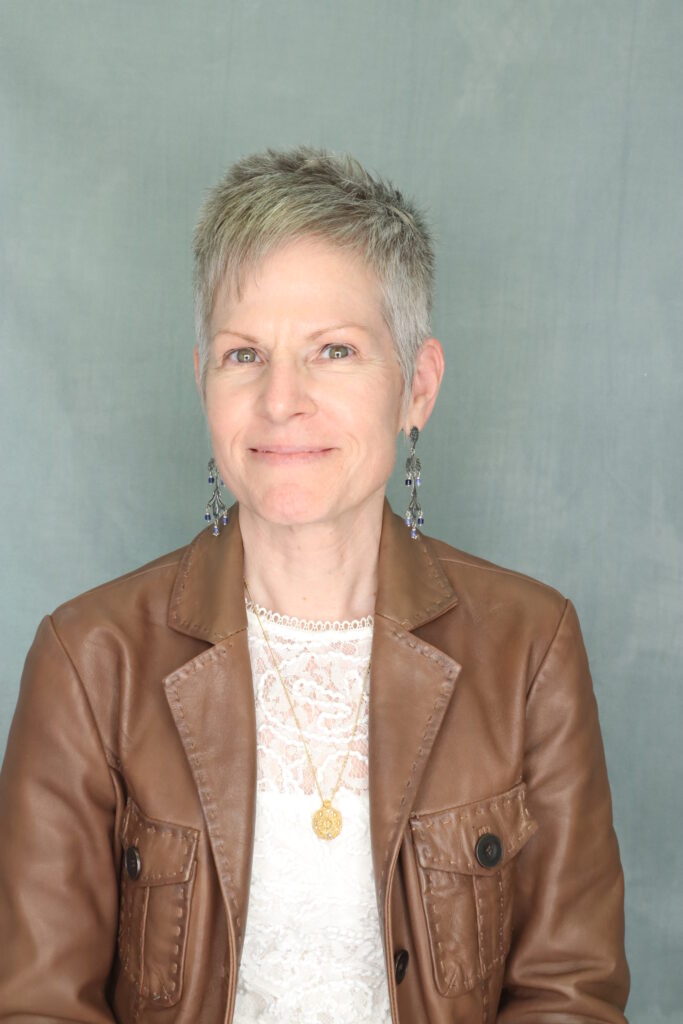
headshot
Lars Dzikus

“Institutions like universities and sports clubs play a crucial role in both preventing sexual violence and supporting survivors,” said Dzikus. “Researchers like Jennifer Freyd have shown how institutions can either exacerbate or reduce harm through betrayal trauma, institutional betrayal, and institutional courage. We are extending this work to sport organizations. Given how deeply athletes, coaches, and fans identify with their teams, survivors of sexual violence in sport may feel even more devastated when their organizations fail to support them.”

Dzikus, an associate professor in the Department of Kinesiology, Recreation, and Sport Studies (KRSS) at the University of Tennessee, Knoxville, has focused much of his research on the intersection of sport and violence, including sexual abuse in youth sports. Through this study, he and his colleagues aim to better understand survivors’ lived experiences and how institutions’ actions—or inactions—shape them.

The research aligns with the mission of the Center for Institutional Courage, which seeks to hold institutions accountable and encourage more effective, compassionate responses. Dzikus’s study is one of just 11 grants awarded nationwide. The Center’s president and founder, Jennifer Freyd, is a leading advocate for institutional courage.

“The Institutional Courage Research Grant Program began with a bold vision: to catalyze research into institutional betrayal and institutional courage that could change how organizations understand and respond to harm,” said Freyd. “With 44 grants awarded and approximately $200,000 in funding distributed, we are seeing the early fruits of that investment. This is just the beginning. We’re building a global community of scholars whose work is not only expanding the field, but shaping policy, practice, and public awareness. We’re especially proud of the growing body of peer-reviewed publications emerging from these efforts—tangible evidence of the long-term change these grants are making possible.”

For Dzikus and his team, the stakes are clear: when institutions support survivors, they can aid healing; when they betray survivors, the harm can last a lifetime.

“The findings of our study can deepen our understanding of institutional betrayal and courage by examining the role of identification with an organization,” Dzikus explained. “For sport institutions, we want to inform practices that create safer, more supportive environments.”

Filed Under: CEHHS, Departments, Informative, Kinesiology, Recreation, and Sports Studies

Raynor Honored with 2025 Medallion Award from the Academy of Nutrition and Dietetics

Raynor Honored with 2025 Medallion Award from the Academy of Nutrition and Dietetics

May 30, 2025 by Douglas Edlund

Raynor Honored with 2025 Medallion Award from the Academy of Nutrition and Dietetics

The Academy of Nutrition and Dietetics, the world’s largest professional organization of nutrition and dietetics practitioners, with members representing over 112,000 credentialed practitioners, has awarded Hollie Raynor the 2025 Medallion Award. This award recognizes dedication to the high standards of the nutrition and dietetics profession through active participation, leadership and devotion to serving others in nutrition and dietetics, as well as allied health fields.

“Hollie Raynor is one of the more extraordinary professionals with whom I have worked,” said Ellen McIntyre, dean of the College of Education, Health, and Human Sciences (CEHHS) at the University of Tennessee, Knoxville. “She not only conducts high-impact research on obesity prevention, her work in leadership around health has impacted the university and community. She has led the university in developing a new vision for health that includes departments from across the campus, including Nutrition, Public Health, Food Science, Biology, Nursing, Social Work, and even Engineering. She led the work to create a cluster hire of top talent in Nutrition that spans departments and colleges across campus. She has led the development of a health summit for middle school youth as well as a state-wide conference on health. She is a leader in research quality on campus and is viewed with deep respect by all who work with her. Just as importantly, she was instrumental in developing partnerships with health care agencies in efforts to make a direct, positive impact on  health in the East Tennessee community.”

headshots
Hollie Raynor

Currently, Raynor serves as the executive associate dean for research and operations at CEHHS where she oversees the college’s Office of Research & External Funding. As an undergraduate, Raynor’s passion for research was ignited when a faculty member introduced her into how research is conducted. Additionally, Raynor learned about the challenges of changing eating behavior, which led to her interest in the field of psychology. Fast forward to today, and Raynor is one of the few people in the world trained in nutrition and psychology. Combining these two fields has been the focus of her career.

Raynor’s expertise and ability to bridge the fields of research and practice is in high demand. She has served as a member of three committees developing evidence-based practice guidelines: the National Committee for Clinical Guidelines for Obesity for the American Psychological Association and the Academy of Nutrition and Dietetics’ Prediabetes and Adult Obesity Treatment Evidence Analysis Library Committees. Finally, she has served as a member of the 2025 Dietary Guidelines Advisory Committee. 

Raynor has also shared her training in research to support professional development for practitioners in understanding how research informs evidence-based practice and how dietitians can collect outcomes, showing the value of the dietitian and the work that dietitians do in enhancing health. To support this work, she published in practitioner newsletters, provided webinars, and mentored practitioners through the process of collecting outcomes.

As a scholar, Raynor has 184 peer-reviewed scientific publications in her scholarship area. She has also received over 50 grants as the lead or as part of a scientific team, and in the last 10 years this work has received over $26 million in direct support, predominantly from the National Institutes of Health.

“Dr. Raynor has been a leader in dietetics and nutrition, producing groundbreaking research that has shaped both academic understanding and practical applications,” said Alison Steiber, chief mission, impact, and strategy officer for the Academy of Nutrition and Dietetics . “Her work on innovative interventions for obesity prevention, dietary behavior change, and family-focused health strategies has not only advanced the field but also directly improved the lives of countless individuals and families. Dr. Raynor’s ability to bridge rigorous scientific inquiry with real-world impact is a hallmark of her career.”

Raynor’s research is truly making positive change, helping improving the health of children and adults. She also makes an impact on her colleagues, encouraging them to make a difference.

Shannon Robson, an associate professor at the University of Delaware said, “As my doctoral mentor, Hollie instilled high standards, inspired me to be a better researcher and practitioner, and continuously modeled how to give back to the profession. She showed me it is not just what you do, but how you do it. Hollie worked (and still works) harder than anyone I know with much of her time devoted to service. I still remember when I was a student, Hollie invited me to participate in the Weight Management Dietetic Practice Group Research Committee and valued my contributions. She constantly showed me how to contribute to our profession through her own actions. These experiences have taught me to do the same with my own students today, and to me that is the greatest contribution you can make to a profession is to invest in its future just as Hollie does every day.”

You can learn more about Raynor’s research in this video.

Filed Under: Uncategorized

Students to Plan and Fulfill Second Blissful Wish Wedding for Couple Whose Love Overcame a Major Health Challenge

Students to Plan and Fulfill Second Blissful Wish Wedding for Couple Whose Love Overcame a Major Health Challenge

May 21, 2025 by Douglas Edlund

Students to Plan and Fulfill Second Blissful Wish Wedding for Couple Whose Love Overcame a Major Health Challenge

The Department of Retail, Hospitality, and Tourism Management (RHTM) at the University of Tennessee, Knoxville, is proud to announce that Kenzie Cathey and Tanner Branam have been selected as the recipients of the second Blissful Wish Wedding—a fully sponsored wedding planned and executed by 12 students enrolled in HTM 412 Wedding Production and Execution during the Fall 2025 semester. The couple was chosen from 23 applications submitted between February 14 and April 18, 2025. The wedding will take place on November 6, 2025, at the Pavilion at Hunter Valley Farm.

As part of the course’s experiential learning outcomes, the selected students will coordinate all aspects of the wedding, including soliciting goods and services from local businesses. Their hands-on involvement offers invaluable industry experience while supporting a couple with an inspiring love story.

Four members of the RHTM Advisory Board reviewed all submissions and unanimously selected Kenzie and Tanner. “Their love story was so powerful and touched our hearts,” said Jill Thompson, Director of the Greater Knoxville Hospitality Association and RHTM Advisory Board member.

Picture of Kenzie and Tanner in front of wooded area.
Tanner Branam and Kenzie Cathey

Kenzie was born with congenital heart disease and has battled health challenges her entire life. Despite these obstacles, she and Tanner began dating two years ago. “Her friend told me she had a lot of health issues,” Tanner recalled, “but I said, ‘It won’t stop me from loving her.’” As Kenzie’s health declined, she endured numerous emergency room visits and was placed on the heart transplant list. On August 11, 2024, Kenzie received a life-saving heart transplant. Through it all, their love never wavered—and now they’ll celebrate their journey with a dream wedding.

“Being selected for the Blissful Wish Wedding is a dream come true,” shared Kenzie and Tanner. “It’s an answered prayer from the Lord! We are so blessed!”

Students will be guided by Stefanie Benjamin, Associate Professor, and Nancy Barger of Barger Concepts. “We are beyond excited to share this experience with Kenzie and Tanner,” said Dr. Benjamin. For Barger, this wedding holds personal significance. “My daughter had open-heart surgery at the age of 4,” she shared. “We can’t wait to meet Kenzie and Tanner, hear their story, and be part of this meaningful celebration.”

“I’m thrilled for the couple and for our students who get to plan and execute a real wedding while still in the program,” said Junehee Kwon, Professor and RHTM Department Head. “The Blissful Wish Wedding is a cornerstone of our commitment to providing unparalleled experiential learning. It’s a joy to give back to this special couple while enhancing student education.”

To be part of the Blissful Wish Wedding planning team, students must be Hospitality and Tourism Management majors, complete HTM 312 Wedding Planning and Design, and undergo a competitive application and interview process.

Businesses interested in supporting the event by providing wedding-related goods and services are encouraged to participate (rhtm@utk.edu). Sponsors will be recognized through departmental social media and on the official website: https://cehhs.utk.edu/rhtm/blissful-wish-wedding/

Prospective students interested in unique, real-world learning experiences can contact Mr. Christopher Kelley, Senior Coordinator of Hospitality and Tourism Management, at ckelle15@utk.edu.

Filed Under: Uncategorized

FUTURE Program Receives Tennessee Believes grant from state Department of Disability and Aging

FUTURE Program Receives Tennessee Believes grant from state Department of Disability and Aging

May 8, 2025 by Douglas Edlund

FUTURE Program Receives Tennessee Believes grant from state Department of Disability and Aging

Story and Photos by Carly Utterback, Student Reporter, Class of 2025

For the second time, the Tennessee Believes grant has been awarded to the FUTURE Postsecondary Education Program at the University of Tennessee, Knoxville, College of Education Health, and Human Sciences (CEHHS). The first grant was awarded in 2022, totaling $124,384 to meet the increasing demand for staff and provide specialized, skill-based vocational training. 


FUTURE students participating in the Tennessee Believes Kitchen 

“The overall goal of the Tennessee Believes program is to expand inclusive higher education opportunities for students with intellectual and developmental disabilities,” says Emma Burgin, director of the FUTURE Program. 

For example, the Tennessee Believes Kitchen, hosted through the grant, has connected almost 50 community members with a disability to a professional chef to learn cooking skills. 

“FUTURE is a comprehensive program that helps young adults with intellectual and developmental disabilities make a successful transition from high school to adult life,” says Burgin. 

The FUTURE Program has grown continuously from 2011, with 12 graduating classes and over 80 graduates. 85 percent of FUTURE graduates find competitive, integrated employment with in 90 days of graduation. 

The program provides students with specifically designed classes, the opportunity to audit undergraduate courses, and an internship on or off campus. They offer career and clinical counseling to help develop academic, vocational, social, and decision-making skills. Support on- and off-campus is available to students working to increase their independence. 

Emma Burgin (right), with FUTURE students attend
Partnership In Excellence Award ceremony 

This year, FUTURE was awarded the Partnership in Excellence Award for their collaboration with Student Government Association to honor a partnership that enriched the student experience at UT. 

As of now, there are 35 FUTURE students, 150 peer mentors rotating each semester, and 11 staff. 

“Peer mentors are the backbone of the daily operations at FUTURE,” Burgin says. 

The mentors help with day-to-day campus lives of students, from in-class help to lunch buddies. 

On Aug. 27, Burgin will take a group from FUTURE to Atlanta to be honorees at the Big Game Ball, organized by the National Down Syndrome Congress. 

Filed Under: Uncategorized

Celebrating the Achievements of CEHHS Faculty

Celebrating the Achievements of CEHHS Faculty

May 6, 2025 by Douglas Edlund

Celebrating the Achievements of CEHHS Faculty

The College of Education, Health, and Human Sciences (CEHHS) is proud to recognize several faculty members for their outstanding achievements and contributions. Let’s celebrate their success!

Karen Boyd (ELPS)

Boyd received the prestigious Raymond H. Goldstone Legacy of Excellence Award from the Association for Student Conduct Administration. With a long history of impactful leadership in student conduct and higher education, Boyd’s contributions continue to inspire and shape the field. Read more about this esteemed acknowledgement.

Leia Cain (ELPS)
Cain received the Tammy K. Renalds LGBT+ Communities Advocate Award at the Chancellor’s Honors Banquet in April. She collaborates with campus partners to develop inclusive initiatives that support the success and well-being of LGBTQIA+ students, faculty, and staff within higher education.

Mary Dueñas (ELPS)

Dueñas is the inaugural recipient of the Outstanding Doctoral Mentoring Award, to be presented at the Doctoral Hooding Ceremony on May 15. She was nominated by mentee Abraham Cervantes, who shared,
“Without her encouragement and affirmation, I am certain I would not be here today. Dr. Dueñas’s mentorship has been a lifeline—guiding me through moments of self-doubt and helping me see the importance of my voice, my story, and my place in this field. Because of her, I am not just surviving in this program; I am thriving. She has given me a vision for my future that I never thought possible, and for that, I am eternally thankful.”

Lauren Irwin (ELPS)

Irwin was named as a recipient of the Annuit Coeptis Emerging Professionals Award at the College Student Educators International (ACPA) conference in Long Beach, California, earlier this year. This prestigious award honors exemplary educators in the early stages of their careers. Irwin was one of five early-career professionals recognized for their contributions to the field.

Robert Kelchen (ELPS)

Kelchen was recognized for Research and Creative Achievement at the recent Academic Honors Banquet hosted by the Office of the Provost. Earlier this year, Education Week once again named him a Top Scholar Influencer. He also serves as associate editor of Research in Higher Education, data editor for Washington Monthly magazine’s college guide and rankings, and was the 2023 recipient of the Excellence in Public Policy in Higher Education Award from the Association for the Study of Higher Education’s Council on Public Policy.

Lyndsey Hornbuckle (KRSS)

Hornbuckle was honored with the “Heart and Soul Award” at the final Faculty Senate meeting of the academic year, recognizing her compassion, service, and collaborative leadership. A dedicated mentor, she is known for her unwavering commitment to student success. For the past two years, she has served as a faculty fellow in the Office of Community Engagement and Outreach, helping to advance equity, respect, and community care across the greater Knoxville area.

Youn-Kyung (Lydia) Kim (RHTM)

Kim is ranked #2 at the University of Tennessee, Knoxville, among top researchers in Business and Management, according to Research.com. Nationally, she is ranked #441 among her peers in the United States. Learn more about Kim’s exceptional research and scholarly work.

Junehee Kwon (RHTM)

In May, Kwon received the 2025 Pauly Award from the Greater Knoxville Hospitality Association, being honored as Industry Educator of the Year. This recognition follows a series of milestones for RHTM, including HTM program accreditation and the department’s first “Blissful Wish Wedding.” Additionally, students Kylie Nayakwadi and Grace Keffer were awarded scholarships from the association.

Joshua Rosenberg (TPTE)

Rosenberg has been named the Haslam Endowed Professor in recognition of his outstanding accomplishments in educational data science research and program development. He has an exceptional record of research publications and has secured over $10 million in research funding. Rosenberg initiated data science programs and led the hiring of a cluster of faculty to support and expand the initiative. The five-year professorship includes an endowment to support his ongoing work. Learn more about Rosenberg’s groundbreaking research in data science.

Michael Skyer (TPTE)

Skyer has been awarded the Dr. Jon Henner Memorial Early Career Award by the Association of College Educators–Deaf & Hard of Hearing, recognizing his impactful teaching and research just a few years into his career. Since joining UT in 2022, Skyer has published over 25 works, mentored doctoral students, and led groundbreaking work in Deaf aesthetics—a design philosophy that reimagines education for Deaf, deafblind, and hard of hearing learners with equity at the center. Learn more about his work and impact in an article by CEHHS Student Reporter, Carly Utterback.

Filed Under: CEHHS, Departments, Educational Leadership and Policy Studies, Kinesiology, Recreation, and Sports Studies, Recognition, Retail, Hospitality, and Tourism Management, Uncategorized

Michael Skyer Awarded with the Dr. Jon Henner Memorial Early Career Award by the Association of College Educators – Deaf & Hard of Hearing

Michael Skyer Awarded with the Dr. Jon Henner Memorial Early Career Award by the Association of College Educators – Deaf & Hard of Hearing

April 28, 2025 by Douglas Edlund

Michael Skyer Awarded with the Dr. Jon Henner Memorial Early Career Award by the Association of College Educators – Deaf & Hard of Hearing

By Carly Utterback, CEHHS Student Reporter, Class of 2025

Our very own Michael Skyer, assistant professor of deaf studies and deaf education in the department of Theory & Practice in Teacher Education (TPTE), has received an award for showing an early record of a promising career in both teaching and research in deaf education within five years of obtaining his doctoral degree.

He has been with UT since August 2022 after graduating from the University of Rochester in 2021 with a Doctor of Philosophy degree. He has had over 25 publications listed on Google Scholar since then. His contributions to the TPTE/Deaf Studies team have been recognized by this award.

The Association of College Educators – Deaf & Hard of Hearing (ACE-DHH) presented this award to Skyer at their annual conference in Washington, DC on Feb. 1, 2025.

Skyer says that Henner taught him a lot about writing with clarity and expression.

“That is one of the most important things that I’ve taken away from my friendship and collegial working relationship with Jon. Because this is not just an award, but a named early career

Side view profile shot of Michael Skyer. He has light skin and dark hair and beard. He is wearing classes and is communicating via American Sign Langugage
Michael Skyer

award, I want to recognize and uplift Jon’s legacy in our research field. May he forever rest in power,” said Skyer.

He said also expressed his gratitude toward the ACE-DHH awards committee, for their commitment and nomination. His colleagues, national and international, such as his research mentors and even graduate students sent in letters of support to the directors.

“This award is a recognition by my colleagues of my abilities. This signifies their endorsement of my research agenda primarily, but also their support of me as a person whose ideas matter,” said Skyer.

The Dr. Jon Henner Memorial Early Career Award by ACE-DHH is an incredible accomplishment and testament to the hard work Skyer is putting into his research.

The design of teaching methods has made an appearance in Skyer’s previous publications. In Applied deaf aesthetics towards transforming deaf higher education Skyer focused on the changes that need to be made in classrooms to benefit those who are deaf, deafblind, and hard of hearing.

This design is called “deaf aesthetics,” which creates a more compatible learning experience created specifically for those who are deaf, deaf-blind or hard of hearing. Deaf aesthetics also happens to be more accessible for non-deaf students. Skyer’s work is intended to benefit marginalized deaf learners understand curricula in an equitable manner.

The University of Tennessee has started adapting these designs and Skyer is leading the charge.

“I believe this is one of the most important aspects of how we approach thinking and action within deaf higher education contexts,” said Skyer.

He said it is not enough to just talk about ethics and equity but to embody them physically and conceptually. The development of curricular frameworks and day to day materialization of these aesthetics is a tangible change towards his approach. The conceptual side is building paths away from audism and ableism in all aspects of education.

Skyer oversees a research team consisting of four other faculty including the director of the Council on Education of the Deaf and former masters/doctoral committee advisors. They are working to formalize their approach towards the integration of deaf aesthetics.

This year Skyer said he is most excited about enriching his working relationships both national and international. He is also excited to continue to develop “the empirical arm of [his] study about queerness in deaf communities.”

Since August of 2022, he has brought in one PhD student and has become the dissertation chair for three of UT’s doctoral students. He is also a member of two other dissertation committees at UT as well as two outside of UT. Skyer says most of his doctoral students are Deaf or Hard of Hearing (DHH), queer, or disabled like himself.

As of right now Skyer has a book under contract on Vygotskian deaf pedagogy theory in addition to four other working book proposals. He recently had a poster session with American Educational Research Association (AERA) where he presented about curriculum and deaf education.

His favorite topics of research are the ethical, cognitive, and sociopolitical aspects of art and design in teaching. “This is the wellspring I shall drink from all my life,” said Skyer.

Throughout his own learning career many mentors supported him in pursuit of a doctorate degree. But his strive for higher education came from his mom more than anything. She is a deaf woman with several advanced learning degrees and was a college instructor and counselor for 40 years.

He shared a memory from childhood of him thinking, “That is the peak… that’s the pinnacle… that’s the goal—become a college or university instructor.”

Skyer remarked that his experience at UT has been “tremendous” and that his is “dedicated to supporting an approach to resolving the deep problems of deaf education, that is equally pragmatic and critical. UT gives me wings and space to fly.”

Filed Under: CEHHS, Departments, Featured, Informative, Recognition, Theory and Practice in Teacher Education, Uncategorized

Doctoral Students Win Dissertation Fellowship

Doctoral Students Win Dissertation Fellowship

April 21, 2025 by Douglas Edlund

Doctoral Students Win Dissertation Fellowship

Two Doctoral Students from TPTE Win Dissertation Funding in National Competition

Dani Rimbach-Jones and Bethany Parker are the recent recipients of a $25,000 fellowship from the American Association of University Women (AAUW) to help offset expenses related during the final year of dissertation writing. Both are doctoral students in the department of Theory and Practice in Teacher Education (TPTE) at the University of Tennessee, Knoxville, under the mentorship of Frances Harper, Associate Professor in TPTE.

According to Harper, the AAUW Dissertation Fellowship is a national, competitive fellowship that offers financial support to students completing their dissertations. The program is open to all women in all fields of study though those engaged in science, technology, engineering and math fields, or those researching gender issues, are especially encouraged to apply.

“Both Dani and Bethany have worked tirelessly this year to apply for multiple dissertation fellowships, which has finally paid off,” said Harper. “They are both doing such exceptional work, and I am overjoyed that they will have this support as they finalize their dissertations.”

Rimbach-Jones and Parker expressed deep gratitude for being selected for this prestigious fellowship.

Bethany Parker

“Becoming a recipient of the AAUW’s American Dissertation Fellowship is an incredible honor; and a testament to the support I have received from my dissertation committee, particularly Dr. Frances  Harper, and broader community of colleagues, family, and friends,” said Parker. “I’m excited that this funding will provide me with the opportunity to compensate research participants, without whom this research would not exist. Thank you to everyone! My dissertation research will explore the lived experiences of PhD students through critical, philosophical, and feminist lenses with a particular focus on conceptualizations of knowledge and sense of belonging.”

Headshot of Dani Rimbach-Jones. She has light skin and dark long hair. She is weaing a grey sweater and is leaning against a wooden beam. She is smiling in the photo.
Dani Rimbach-Jones

“Being a recipient of the AAUW Fellowship is a significant achievement. One I am beyond proud of, after a few rejections. However, this fellowship would not have been possible without Aginisi, who has taken me under her wing, taught me, and shown me tremendous love and grace.” said Rimbach-Jones.  

AAUW American Fellowships are the oldest non-institutional source of graduate funding for women in the United States. The program began in 1888, at a time when women were discouraged from pursuing an education.

Through its seven departments and 13 centers, the UT College of Education, Health, and Human Sciences enhances the quality of life for all through research, outreach, and practice. Find out more at cehhs.utk.edu

Filed Under: Uncategorized

CEHHS Earns National Recognition in 2025 U.S. News & World Report Rankings

CEHHS Earns National Recognition in 2025 U.S. News & World Report Rankings

April 8, 2025 by Douglas Edlund

CEHHS Earns National Recognition in 2025 U.S. News & World Report Rankings

The University of Tennessee, Knoxville, has received national recognition in U.S. News & World Report’s 2025 Best Graduate Schools rankings, with several programs achieving high marks—including those in the College of Education, Health, and Human Sciences (CEHHS).

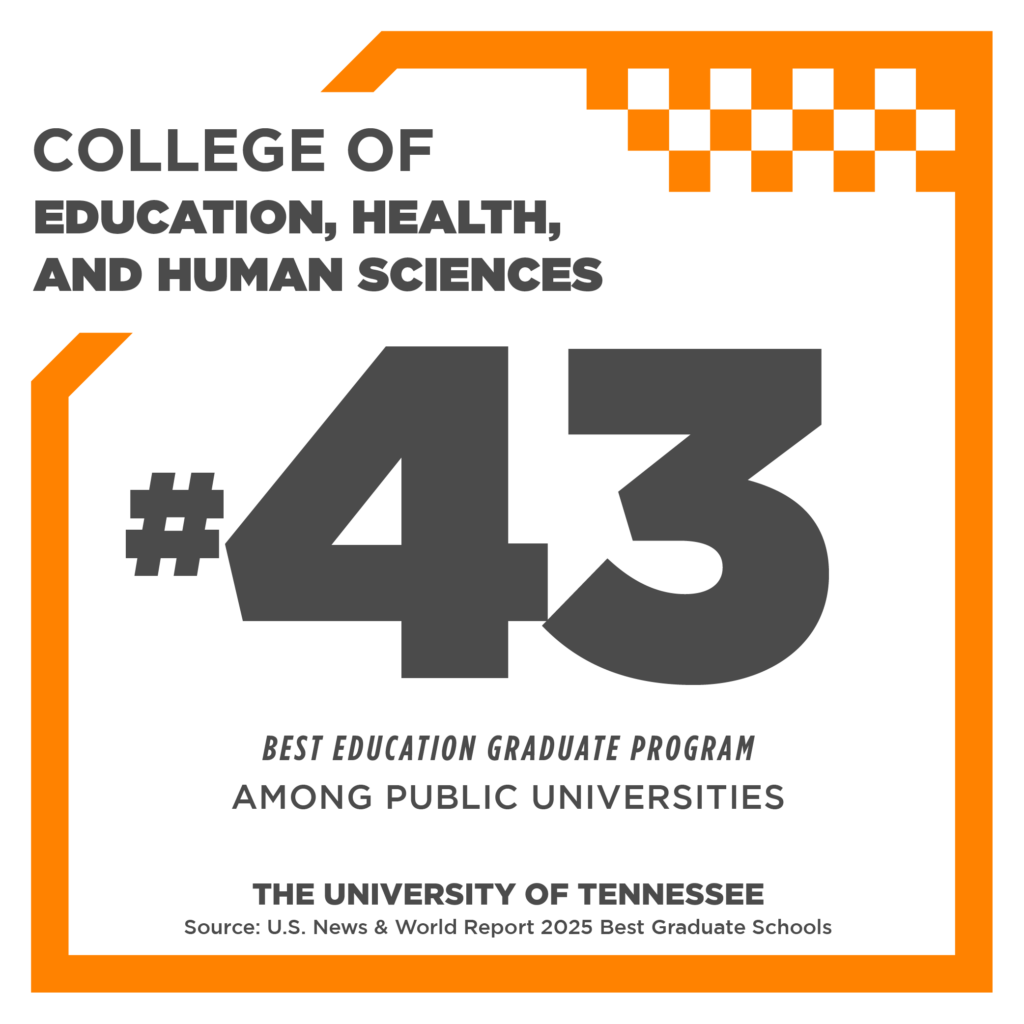
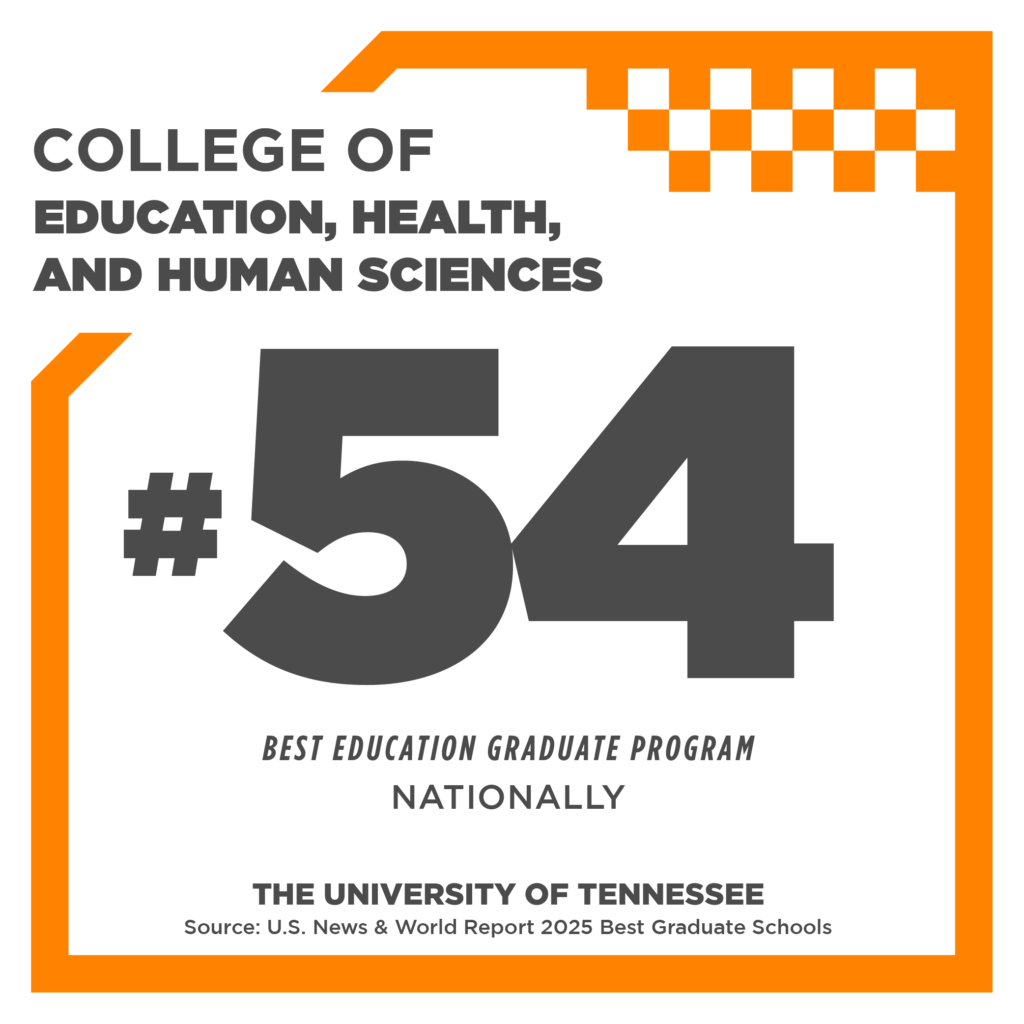
CEHHS graduate education programs saw a significant rise, ranking 43rd among public institutions (up from 51st) and 54th (up from 63rd) nationally among all institutions.

“Our teacher educators are not only committed to addressing teacher shortages but also to preparing high-quality educators,” said Ellen McIntyre, dean of CEHHS. “These rankings reflect their dedication to impactful research and community engagement.”

“This achievement is a testament to the hard work and excellence of our faculty, staff, students, alumni, and community partners,” said David Cihak, associate dean of Professional Educator Programs and director of the Bailey Graduate School of Education. “We are excited to build on this momentum as we continue to innovate in education.”

CEHHS was also recently recognized on the Tennessee Educator Preparation Report Card, receiving the highest-tier “Exceeds Expectations” designation—one of only two public institutions in the state to do so.

The college continues to play a key role in addressing statewide teacher shortages, particularly in Knox County Schools (KCS). At the start of the 2024-2025 school year, KCS had only six vacant teaching positions across 92 schools, a dramatic improvement from the 80-100 vacancies in previous years.

The Best Graduate Schools rankings serve as a guide for prospective graduate students, assessing programs in business, education, engineering, law, and nursing. These rankings are based on expert evaluations and statistical data, reflecting program excellence, faculty credentials, research activity, and student outcomes.

“The success of our graduate programs underscores the dedication of our faculty, the excellence of our students, and the impact of our research,” said Provost and Senior Vice Chancellor John Zomchick. “These rankings highlight our commitment to excellence and our role in preparing the workforce and thought leaders of the future.”

Through its seven departments and 13 centers, the UT Knoxville College of Education, Health, and Human Sciences is dedicated to enhancing quality of life through research, outreach, and practice. Learn more at cehhs.utk.edu.

Filed Under: Uncategorized

  • « Previous Page
  • 1
  • 2
  • 3
  • 4
  • 5
  • Next Page »

College of Education, Health, and Human Sciences

335 Claxton Complex
1122 Volunteer Boulevard
Knoxville, Tennessee 37996-3400

Phone: 865-974-2201
Fax: 865-974-8718

  • fb
  • tw
  • in
  • ln

The University of Tennessee, Knoxville
Knoxville, Tennessee 37996
865-974-1000

The flagship campus of the University of Tennessee System and partner in the Tennessee Transfer Pathway.

ADA Privacy Safety Title IX