• Request Info
  • Visit
  • Apply
  • Give
  • Request Info
  • Visit
  • Apply
  • Give

Search

  • A-Z Index
  • Map

College of Education, Health, and Human Sciences

  • Academics
    • Academics Overview
    • Undergraduate Students
    • Graduate Students
  • Student Experience
    • Student Experience Overview
    • Student Organizations and Involvement
    • Student Support
    • Advising
  • Centers and Outreach
    • Centers and Outreach Overview
    • Centers
    • Outreach
    • Office of Community Engagement and Partnerships
  • About
    • About Overview
    • People
    • Working at CEHHS
    • Professional Licensure
    • College and University Resources
    • Research and External Funding
    • News
    • Alumni
  • Academics
    • Academics Overview
    • Undergraduate Students
    • Graduate Students
  • Student Experience
    • Student Experience Overview
    • Student Organizations and Involvement
    • Student Support
    • Advising
  • Centers and Outreach
    • Centers and Outreach Overview
    • Centers
    • Outreach
    • Office of Community Engagement and Partnerships
  • About
    • About Overview
    • People
    • Working at CEHHS
    • Professional Licensure
    • College and University Resources
    • Research and External Funding
    • News
    • Alumni
Home » Page 9

Kelchen Once Again Named Top Scholar Influencer

Kelchen Once Again Named Top Scholar Influencer

Kelchen Once Again Named Top Scholar Influencer

January 4, 2024 by Alyssa Seisser

We’ve all heard the term “influencer.” Many of us associate an influencer as someone with a large following on social media, such as Instagram or YouTube, who set trends or promotes products. But did you know that there are a select group of scholar influencers who help shape educational practice and policy?
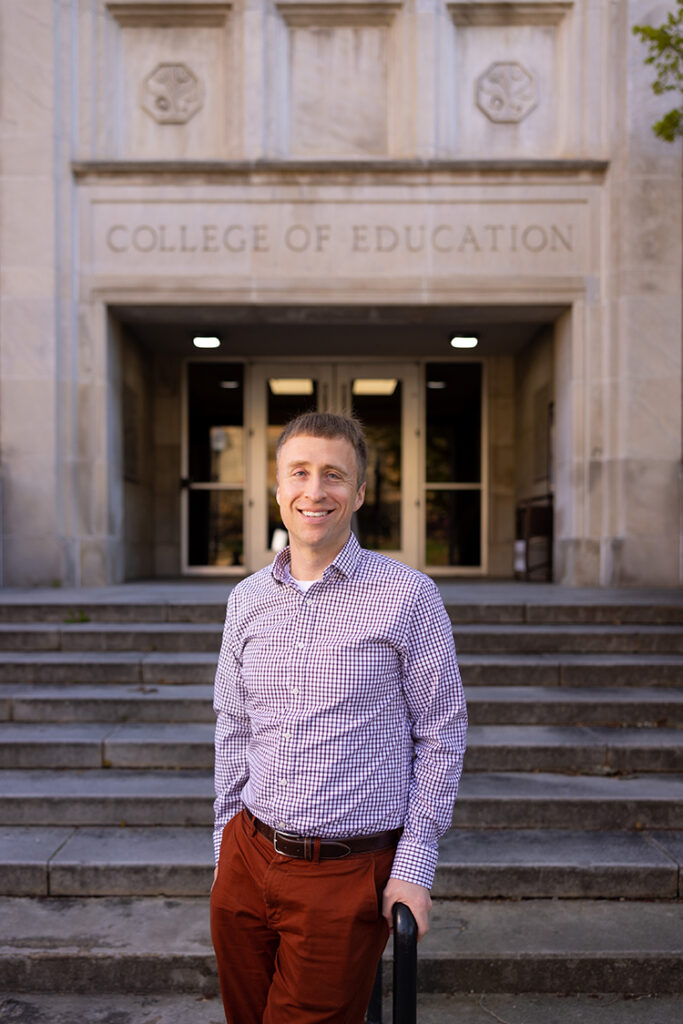
Robert Kelchen

One of those scholar influencers is Robert Kelchen, who serves as department head of Educational Leadership and Policy Studies (ELPS) at the University of Tennessee, Knoxville, College of Education, Health, and Human Sciences (CEEHHS).  Kelchen is ranked 41 out of 20,000 scholars nationwide in Education Week’s Edu-Scholar Public Influence Rankings for 2024. In fact, Kelchen is the only scholar from the University of Tennessee, Knoxville, to make the list.

“As a faculty member at a land-grant university, it is my job to help share knowledge well beyond the classroom or traditional academic journals,” said Kelchen. I am thrilled to have the opportunity to work with policymakers, journalists, and college leaders on a regular basis to help improve higher education.”

For 14 years, Education Week selects the top-200 scholars (out of an eligible pool of 20,000) from across the United States as having the most influence on issues and policy in education. The list is compiled by opinion columnist Rick Hess, resident scholar at the American Enterprise Institute and director of Education Policy Studies.

The selection process  includes a 38-member Selection Committee made up of university scholars representing public and private institutions from across the United States. The Selection Committee calculates scores including, Google Scholar Scores, Book Points, Amazon Rankings, Congressional Record mentions, media, and web appearances and then ranks the scholar accordingly.  Kelchen is considered a “go-to” source for reporters covering issues in higher education, with over 200 media interviews, year after year. If there is a story about higher education in the media, you’ll more than likely find a quote from Kelchen as an expert source.

“In the last year, I have had the pleasure of supporting several states on their higher education funding models, presenting to groups of legislators, and being a resource to reporters diving into complex higher education finance topics. These engagements help strengthen my own research and give me the opportunity to teach cutting-edge classes to ELPS students,” said Kelchen.

In addition, Kelchen received national recognition by the Association for the Study of Higher Education (ASHE) for his research on higher education finance, accountability policies and practices, and student financial aid. ASHE’s Council on Public Policy in Higher Education selected Kelchen for its Excellence in Public Policy Higher Education Award.

Through its eight departments and 12 centers, the UT Knoxville College of Education, Health, and Human Sciences enhances the quality of life for all through research, outreach, and practice. Find out more at cehhs.utk.edu
Filed Under: CEHHS, Departments, Educational Leadership and Policy Studies, Featured, Informative, Recognition

Gao Recognized by SHAPE America for Enhancing Inclusion and Equity in Health and Physical Education

Gao Recognized by SHAPE America for Enhancing Inclusion and Equity in Health and Physical Education

January 3, 2024 by Alyssa Seisser

KRSS Department Head Receives F.B. Henderson Award for His Commitment to Inclusion

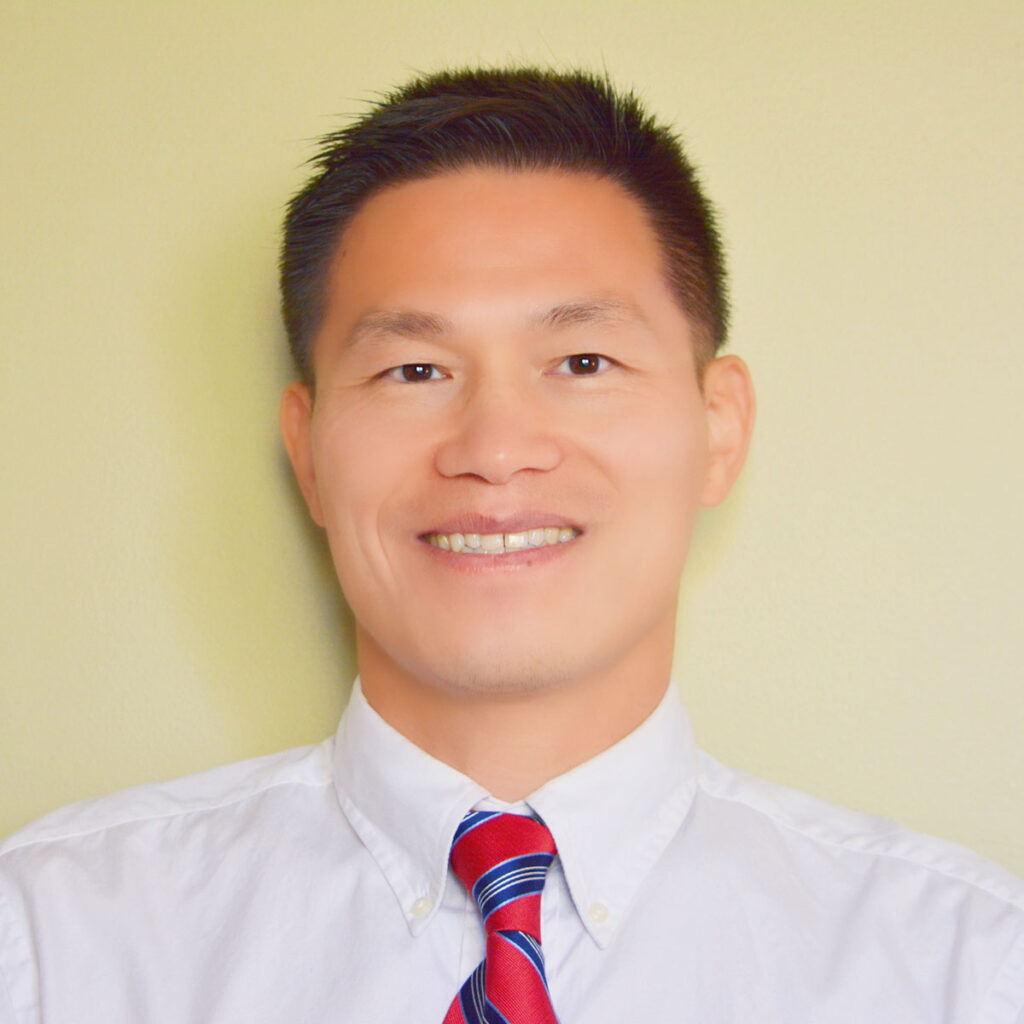
Zan Gao

Zan Gao, Department Head in Kinesiology, Recreation, and Sport Studies (KRSS) in the University of Tennessee, Knoxville, College of Education, Health, and Human Sciences (CEHHS) is the latest recipient of the F.B. Henderson Award from SHAPE America. This prestigious national award is presented to minoritized members of SHAPE America for their long-standing commitment to academic, mentorship, and service through enhancing the involvement of underserved populations in their professional field. Gao will be receiving this award at the SHAPE America national conference on March 14th, 2024, in Cleveland, Ohio.

“I am deeply honored to receive the F.B. Henderson Award,” said Gao. “This recognition by SHAPE America not only highlights the importance of inclusivity and diversity in our field, but also reinforces my commitment to nurturing and empowering underserved communities through education and mentorship in kinesiology and sport studies.”

SHAPE America is the Society of Health and Physical Educators and is the oldest and largest organization dedicated to health and physical education. Founded in 1885, the organization defines excellence in school-based health and physical education. In fact, SHAPE America’s national standards in health education and physical education have provided the framework for effective instruction for K-12 students nationwide.

Zan Gao (left) with a group from the Physical Activity Epidemiology Lab

Gao has made significant contributions to diversity at different levels throughout teaching, scholarship, and service. The criteria for the E. B. Henderson Award require that the recipient “demonstrate successful and exemplary involvement in scholarship.” Gao’s academic record is exceptional and well-funded. His main research focus includes population-based behavior change interventions to prevent chronic diseases through application of lifestyle technology, with the goal of promoting health and optimal development. He accomplishes this in the context of promoting inclusive environments that benefit diverse populations and is presently studying the interactive effects of modern technology, physical activity, health outcomes, and disease prevention among underserved populations including children of color, overweight adults, and breast cancer survivors.

Gao is a highly productive researcher as evidenced by his impressive list of publications in a variety of high impact peer-reviewed journals. His remarkable research production is reflected in his impressive h-index of 52 and with 7920 Google Scholar citations. Most recently, he has been included in the World’s Top 2% Scientists from all areas (Career Impact) (1960-2023) List and 2023 Impact List (Ranked #46,716 in the world). In 2023 Dr. Gao is listed as one of the Best Scientists in Social Sciences and Humanities by Research.com (Ranked 4,945 in the world and 2,463 in the U.S.). Dr. Gao has been awarded over 10 million dollars as the Principle Investigator (PI)and Co-investigator in grant funding. For example, Gao was the designer and Principal Investigator of a Robert Wood Johnson Foundation Salud America grant designed to investigate the engagement of urban Latino students in culturally appropriate physical activities. He was also awarded by the National Institutes of Health to study the impact of active video games on underserved children’ health. As an example of his work focusing on underserved youth, Gao recently published a paper entitled “Small-groups versus full-class exergaming on urban minority adolescents’ physical activity, enjoyment, and self-efficacy” as the corresponding author in the Journal of Physical activity and Health. He was also the lead author on an article entitled “Video game–based exercise, Latino children’s physical health, and academic achievement” in the American Journal of Preventive Medicine. These and other works by Gao demonstrate an important strand of his research agenda that focuses on health and education disparities in underserved populations.

During his tenure at various universities, Gao has taught and advised students with different backgrounds and experiences derived from, e.g., different race/ethnicities, colors, religions, national origins, citizenships, sexes, sexual orientations, gender identities, ages, disabilities, and socioeconomic backgrounds. For example, he has mentored students in master’s and doctoral studies including directing master’s theses and doctoral dissertations.

In his research lab in spring 2023, there were a dozen of students and post-docs from a variety race/ethnicity and 7 countries (United States, South Korea, Japan, China, Egypt, Spain, Nigeria). In all these activities,  Gao functions with an undergirding effort to forward an agenda of diversity and equity as reflected in his participation in “Equity and Diversity Certificate” from the University of Minnesota. (2021-2022) and his “Leading for Equity” efforts at the National Association of Kinesiology in Higher Education (2021). As a result of his dedication and commitment to equity and inclusion in the profession, he received the 2015 SHAPE America Leroy T. Walker Young Professional Award.

Gao has an impressive record of leadership skills at the professional, university, and community levels, while addressing the health and education disparities during his service.  Gao is currently serving as a committee member of Diversity Action Committee at American College of Sports Medicine.

Gao believes in leading by example. As the newly hired department head of the Department of Kinesiology, Recreation, and Sport Studies at The University of Tennessee, Knoxville, one of his first sponsored activities was to organize a Diversity, Equity, and Inclusion workshop for his faculty in November 2023. This demonstrates the value he places on access and engagement. The example he has set with his impressive research, teaching and service record is truly inspirational. That record is augmented by his valuing of diversity and the dignity and worth of all students, faculty, and staff. His recognition of the need and value of diversity is reflected in his scholarship, teaching, and service. The quality and quantity of his work in conjunction with the national and international recognition Gao has garnered in his career, attests to his tremendous contribution to access and engagement. He serves as an example of the value of diversity and inclusion in academia.

For Gao, the F.B Henderson Award is an incredible honor and recognition of his long-standing contributions to his profession. From scholarship to service, Gao is dedicated to promoting health and wellness to all.

“The Henderson Award  is a testament to the collective efforts of many who believe in the power of sport and physical activity to transform lives. I thank SHAPE America for this prestigious honor and vow to continue advocating for the involvement of diverse populations in our field, ensuring that every individual has the opportunity to achieve excellence in health and human sciences,” said Gao.

The F.B Henderson Award is named for Edwin Bancroft Henderson, a noted author teacher, coach, and administrator in physical education and athletics. One of his major scholarly contributions was The Negro in Sports, published in 1939. Tennis star Arthur Ashe used Henderson’s work as the basis for a three-volume series on the African American Athlete. In addition, Henderson widely recognized as the “Grandfather of Black Basketball” through his introduction of basketball in 1904 to African Americans in Washington, D.C.


Filed Under: CEHHS, Departments, Informative, Kinesiology, Recreation, and Sports Studies, Recognition

Teaching Positive Psychology Skills at School May be One Way to Help Student Mental Health and Happiness

Teaching Positive Psychology Skills at School May be One Way to Help Student Mental Health and Happiness

January 2, 2024 by Alyssa Seisser

Gratitude, Kindness and Optimistic Thinking Can Help Kids Feel a Bit Better

By Kai Zhuang Shum, Assistant Professor in the Department of Educational Psychology and Counseling

Youth mental health has worsened significantly over the past decade, but new interventions that teach positive psychology concepts in school may help.

American young people are reporting historically high levels of hopelessness, sadness and loneliness. According to the most recent data from the U.S. Centers for Disease Control and Prevention, more than 20% of adolescents have seriously considered suicide – and suicide is the second-leading cause of death for childrenages 10-14.

Perhaps even more alarming than the prevalence of youth mental health problems is the inaccessibility of mental health support for the many children who need it. About 60% of depressed adolescents do not receive any treatment – and around 950,000 children do not have health insurance that covers mental health services.

One solution is to provide mental health care in schools, where kids are. This is already happening. School counselors, psychologists and social workers provide support, teach coping strategies and work with caregivers to help students overcome mental health challenges. Such vital care is essential, but clearly more help is needed.

Research shows that students who have a positive outlook regarding their lives outperform other students academically and emotionally. You might wonder, can positive thinking be taught?

I study school-based positive psychology interventions. My colleagues have found that students who’ve been introduced to science-based ideas about happiness feel more satisfied with life, experience more positive than negative emotions and have fewer emotional and behavioral problems.

Science of happiness

Psychologists began to study the science of happiness in the late 1990s. Prior to that time, most psychology researchers studied misery.

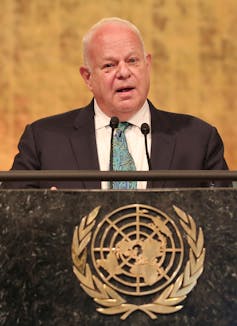
A man in a suit speaks behind a podium with the United Nations logo on it.
Founder of the field of positive psychology Martin Seligman speaks after being honored at the United Nations in 2016. J. Countess/Contributor/via Getty Images Entertainment


Psychologist Martin Seligman was such a scientist, having pioneered the concept of “learned helplessness.” But a conversation with his young daughter, in which she demanded to know why he couldn’t “stop being such a grouch,” inspired him to start studying what makes people happy instead.

Initial studies were conceptual in nature. But before long, researchers started to identify what makes people happy, the benefits of happiness and interventions to improve happiness.

Scientists identified three main predictors of happiness – genetics, life circumstances and purposeful activities – and potentially others, depending on one’s culture. Of the big three, the first two are often out of an individual’s control. But science has shown that people can adopt strategies to feel happier.

Achieving a state of flourishing – or feeling good and doing good – is the goal of positive psychology interventions. It can evoke positive feelings, increase engagement with life, strengthen positive relationships, move people toward purpose and help people achieve meaningful goals.

Positive psychology in schools

Positive psychology is now taught in some schools around the world, including in the U.S., Australia, Denmark, Israel, New Zealand, China and South Africa. Most interventions educate students about mindfulness and positive psychology concepts such as gratitude, kindness, optimistic thinking, utilizing character strengths and hope. The idea is not just to teach students about positive psychology as a school subject but help them practice the skills that research suggests will help them flourish.

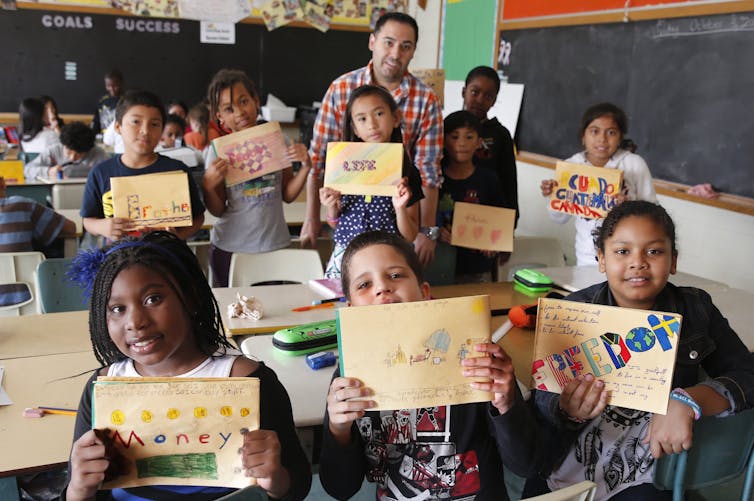
A classroom of kids hold up their handmade gratitude journals showing words like 'freedom,' 'love' and 'brother.'
A Toronto teacher encourages his class to write in a gratitude journal every day. Colin McConnell/Toronto Star via Getting images


In typical programs, students first learn positive psychology concepts, then practice using them in real life with the help of trusted adults. For example, students discuss what gratitude means to them, then practice writing down three things they are thankful for every night before bed with the help of their caregivers. After a week, students discuss with adults at school how practicing gratitude affected their level of happiness.

A 2020 review of 57 school-based positive psychology programs showed more than half resulted in positive outcomes, including less stress, lower depression, less anxiety, fewer behavioral issues, better self-image, higher life satisfaction and stronger social functioning.

‘Nice inside’

One intervention currently being studied by the U.S. Department of Education is a 10-week, small-group intervention aimed at helping middle schoolers. I coach the mental health providers implementing this program.

Like other programs of its kind, it teaches youth about positive concepts, including gratitude, kindness, character strengths, optimism and hope. Early findings, presented at the 2023 National Association of School Psychologyconference, show the program is being well received both by students and providers.

We’ve found students tend to favor activities that fit with their culture or values. For example, one student shared that performing acts of kindness was their favorite program-based activity, because it helped them spend more time with family and pets – the two most important things in their life. Another student said being able to share the strategies with their mother helped them both feel happier. This student was also proud to be able to help their family.

We also found that some students believed the program helped them build positive relationships with others. One student shared, “It’s really fun to see how others react when I’m being nice, such as giving a compliment,” and that doing so helped them feel “nice inside.” Another student agreed, saying making others feel good helped them feel happier.

Positive psychology training is only one piece of the solution for improving youth mental health. Children with severe issues need comprehensive treatment, which can include mental health counseling and medication.

Even though many important factors are out of a person’s control, everyone has room for growth in happiness. My colleagues and I hope teaching positive psychology in schools will become a common practice in the future.

Reposted from The Conversation

Filed Under: Departments, Educational Psychology and Counseling, Featured, Informative

“Blissful Wish” Wedding Winners Announced

“Blissful Wish” Wedding Winners Announced

August 18, 2023 by Alyssa Seisser

Experiential Learning Opportunity Provides Couple With a Dream Wedding

Jackson Grahm (L) and Shelby Guthrie (R)

For Shelby Guthrie and Jackson Graham, a love of Tennessee Vols athletics sparked a love that went beyond the game. While attending the University of Tennessee, Knoxville, Shelby and Jackson attended every Vols athletic event they could: football, basketball, tennis, baseball, and softball. If there was a game, Shelby and Jackson were there. The more time they spent together cheering on the Vols, the closer their bond became. Jackson finished his undergraduate degree in 2020 and his graduate degree in 2021. Shelby finished her undergraduate degree in 2021.  Now, these Vols for Life are ready to take the next step in their relationship.

“I would love for Jackson and me to be chosen because it would relieve a huge financial burden, help with planning, and having a UT wedding would be the most “us-thing” ever because we have so many friends and generations of family who have attended the university,” said Shelby.

Not only will Shelby and Jackson have the wedding of their dreams, students from the University of Tennessee, Knoxville’s, Hospitality and Tourism Management (HTM) program will  be gaining real-world experience in wedding and event planning. HTM students will work with the couple to search and secure a variety of services needed for wedding events, help run the wedding event, and finally evaluate the entire process and outcomes.

“We are beyond excited to offer our first ever Blissful Wedding class which will be a truly experiential, hands-on course. Our students already completed our online wedding design course last year and well-equipped to curate this memorable wedding.  We will be there to help guide our students – but this course will be 100% student-directed.  We are excited to see what the students will dream up for the deserving couple!” said Stefanie Benjamin, instructor of the HTM 440 Wedding Production and Execution class.

“When an academic department takes on a project like this, the first and foremost important goal is to provide transformational experiences for our students,” said Junehee Kwon, head of UT’s Department of Retail, Hospitality, and Tourism (RHTM). “This is a perfect example of such an endeavor, and I am very excited to support our students, instructors, and the selected couple.

Shelby and Jackson were chosen from 71 completed applications submitted to the Blissful Wish Wedding giveaway. The wedding ceremony will be held on November 9th at the Pavilion at Hunter Valley Farm for up to 75 guests. Current UT employees or their families were not eligible to enter.

A panel of reviewers was selected from members of the Retail, Hospitality, and Tourism Management Advisory Board. After reviewing each application, the Board members met to decide on the winning couple and a runner-up if the selected couple would not be able to participate in the program. To ensure the program followed all University of Tennessee policies and procedures, RHTM faculty, along with staff from the College of Education, Health, and Human Sciences (CEHHS) worked closely with UT’s legal, business, and academic teams.

“We used several criteria when we selected the couple. One of the essential criteria was their willingness to work with our students,” said Kwon. “Their understanding of the purpose is crucial because they need to know why we are doing this event. The purpose will always be the student first, then the community.”

As for Shelby and Jackson, in just a few short months, they will have their dream wedding, thanks to the hard work of HTM students and faculty, as well as the generous support of numerous sponsors. For all involved, the project has been ambitious, but the effort put into making a special day for a deserving couple has been well worth it.

“Since I arrived at UT, I have been aiming to increase experiential learning opportunities for our students while they serve the community,” said Kwon. “This sponsored wedding project, which I proposed, was ambitious, but it would be worth it. We have gone through many steps to get this project approved, and now, I am so grateful to see that we have a deserving couple who will be working with our students and sponsoring partners.”

When it comes to a student-run wedding, Shelby and Jackson are thrilled that they can play a role in this experiential-learning opportunity for HTM students.

“We totally understand that this would be a learning and growing experience for all parties involved, and we would be happy to make decisions and choices that would be beneficial for the students’ education,” said Shelby.

Through its eight departments and 12 centers, the UT Knoxville College of Education, Health, and Human Sciences enhances the quality of life for all through research, outreach, and practice. Find out more at cehhs.utk.edu
Filed Under: Alumni, Retail, Hospitality, and Tourism Management, Undergraduate

Courtney Drennen Named Nita Ganguly Memorial Scholarship Recipient

Courtney Drennen Named Nita Ganguly Memorial Scholarship Recipient

August 10, 2023 by Alyssa Seisser

This year’s distinguished Nita Ganguly Memorial Scholarship has been awarded to Theory & Practice in Teacher Education undergraduate student, Courtney Drennen (’24). Courtney will receive a monetary award in the Fall and Spring toward her education.

Named after a former VolsTeach professor, Dr. Nita Ganguly, this scholarship is selected based on academic achievement, teaching commitment, and potential.

Ms. Drennen is a VolsTeach student and Ecology & Evolutionary Biology major at the University of Tennessee, Knoxville. She is originally from Gatlinburg, Tennessee, and says, “I have always had a passion for education ever since I was a little girl! I had my own classroom in my mom’s office where I would teach to my imaginary students! I also had so many influential teachers in my education career that showed me what it looked like to not just educate, but to also care for students. My goal is to be a light and role model for my students for many years to come!”

Courtney specifically thanked the impactful teachers she had over the years, including her high school ACT preparatory teacher, John Terrell. “Teachers like him have paved the way for future teachers,” said Courtney. “Dr. Kirkpatrick with VolsTeach has also had an extreme impact on my life as a student and as a future teacher. She has believed in me, pushed me, and has continued to give me opportunities to gain experience in the field as I prepare for my first year of teaching. I am always so thankful for her constant help and support.”

Courtney will graduate with the class of 2024. Her current favorite teaching topics are cell division and anatomy. She shared her favorite life quote from Colossians 3:23: “Work willingly at whatever you do, as though you were working for the Lord rather than for people.”

The Department of Theory & Practice in Teacher Education is very proud and honored to train incredible students and future teachers like Courtney Drennen.

Filed Under: Undergraduate

A New Day Dawning

A New Day Dawning

August 3, 2023 by Alyssa Seisser

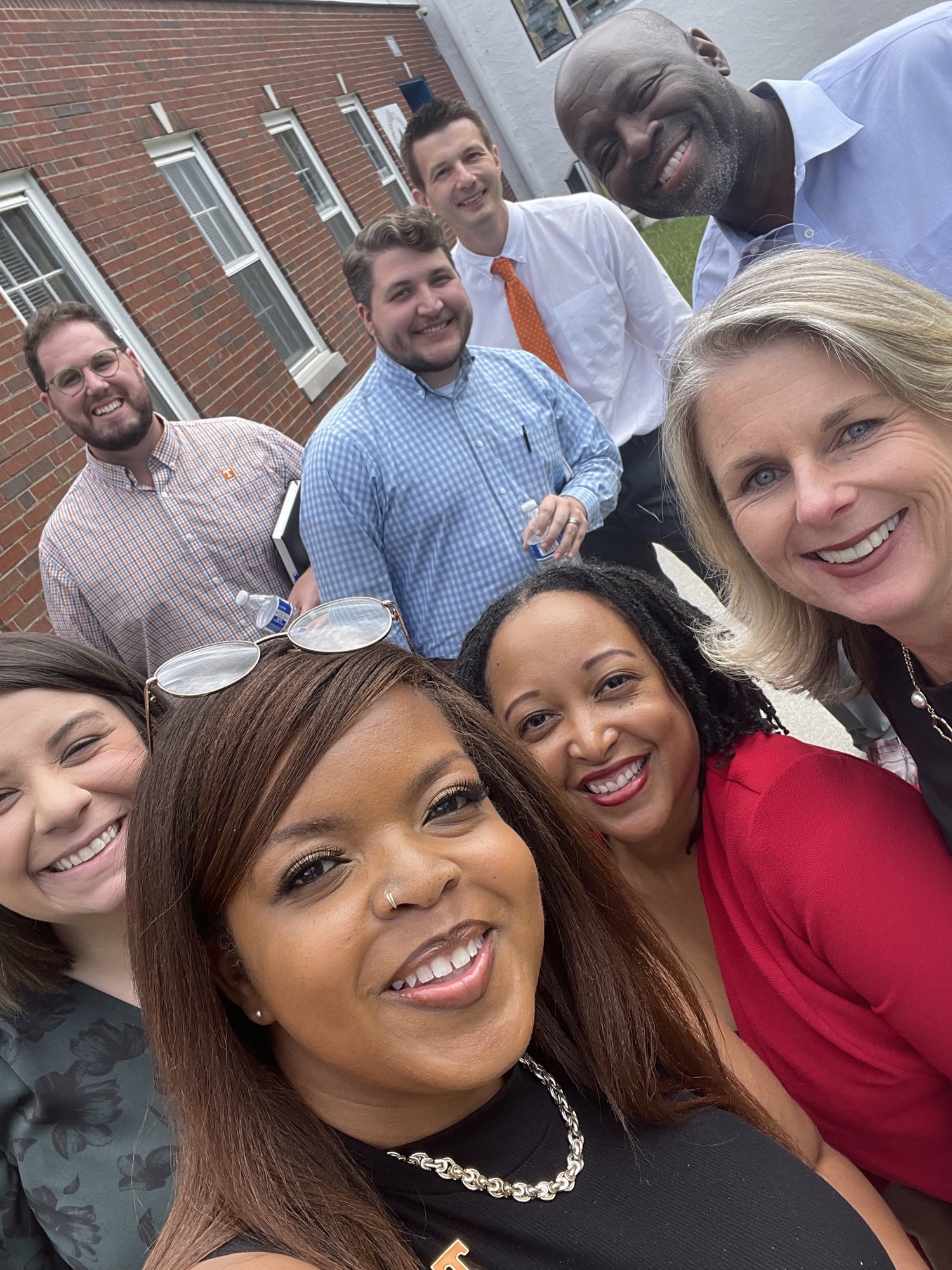
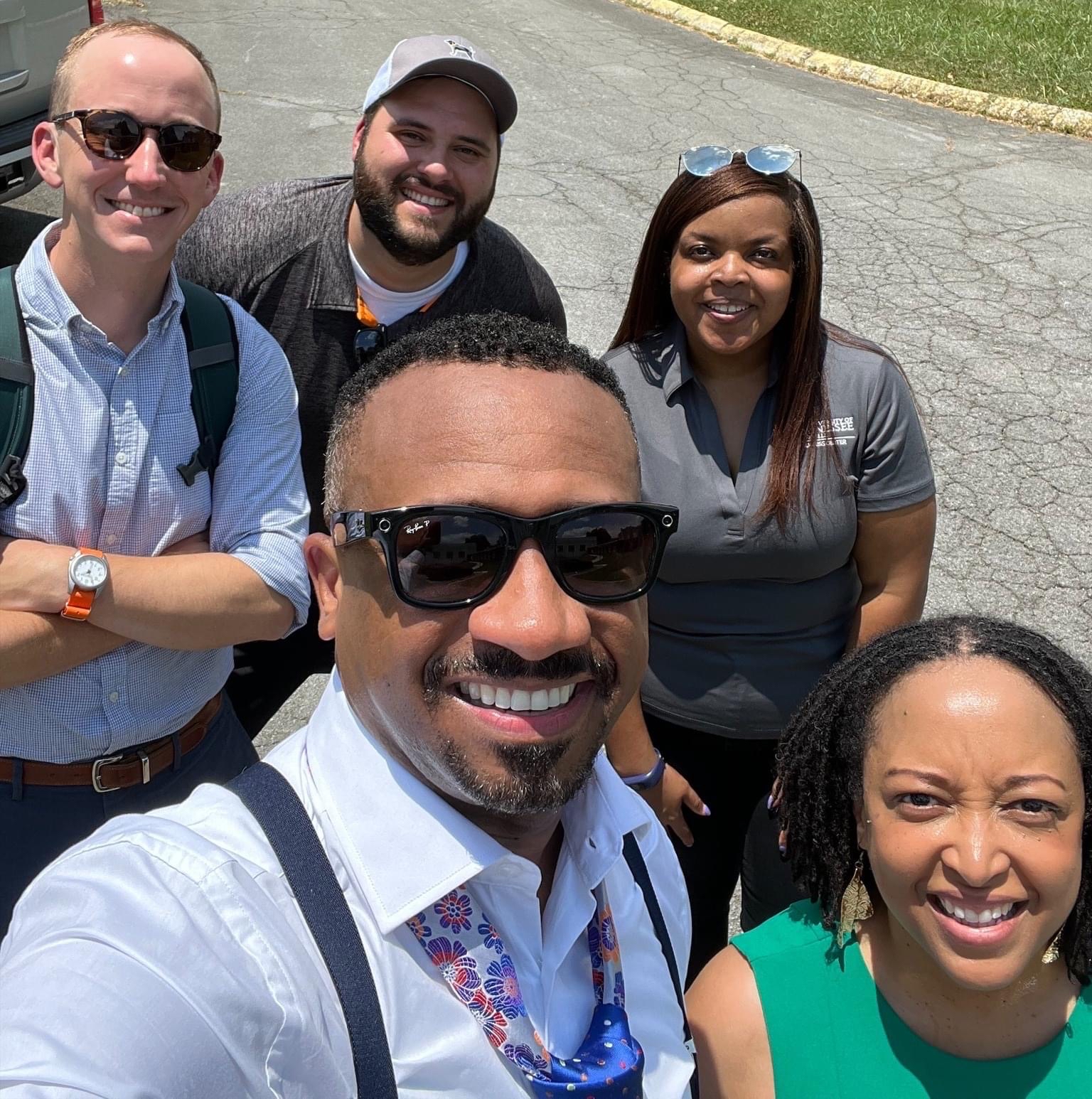
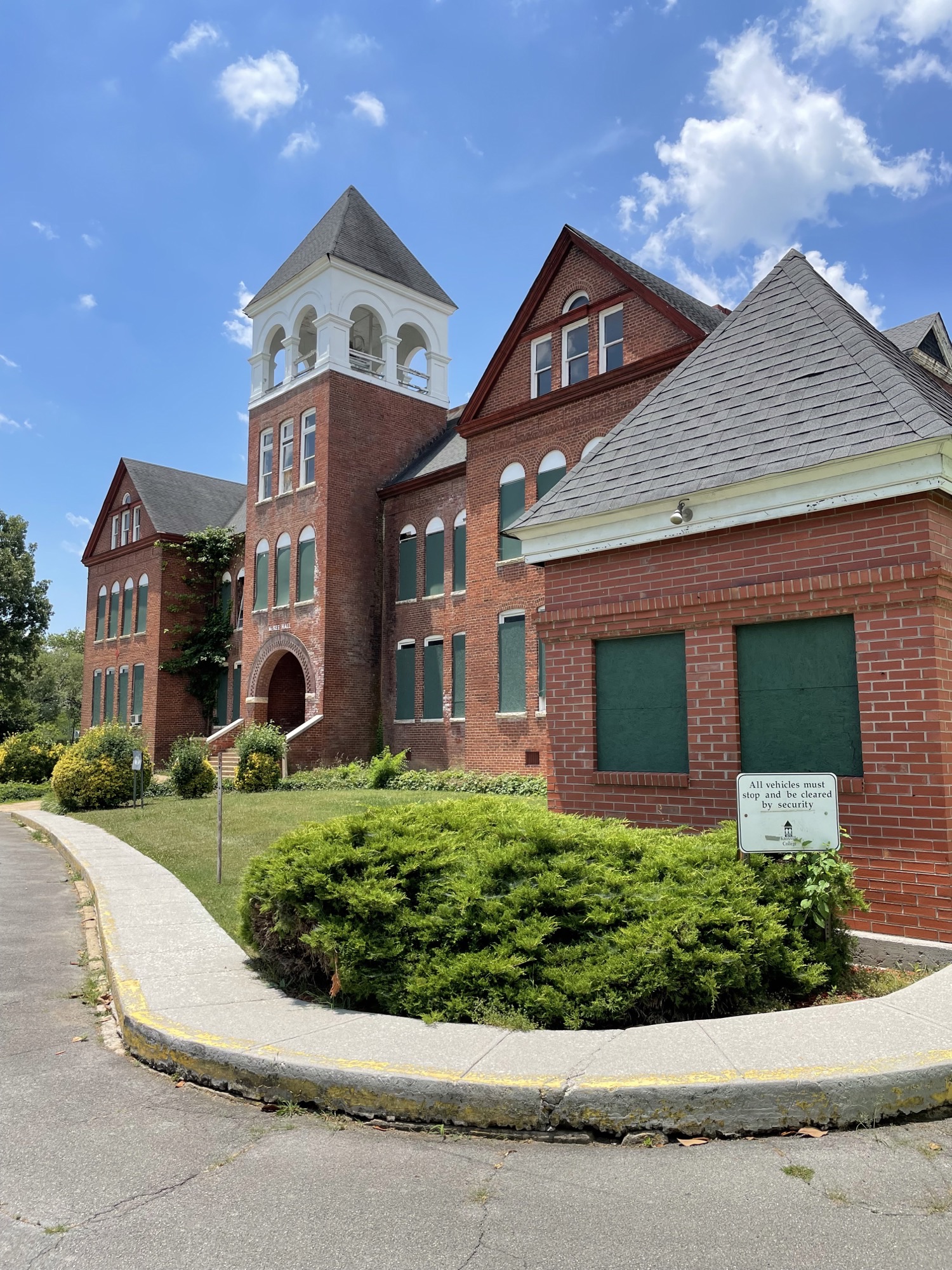
Two venerated institutions of higher learning—UT and Knoxville College—stand just over a mile apart in downtown Knoxville. As the institutions work together to advance reaccreditation of the historically Black college, a moment to elevate the entire region appears.

by Linda Billman

The partnership offers a rare live case study for doctoral students in the UT Department of Educational Leadership and Policy Studies (ELPS).

“Knoxville College has a very rich legacy in Knoxville. And they are very proud—as they should be—of the history of the students they have served and currently serve and what that future could look like,” says Hope Newbill, one of the students on the accreditation team. “Being able to work on a team of people who all believe in the mission of KC and the power of the education that students can get at KC has been really incredible.”

Key to any higher education institution’s success, academic accreditation enables students to qualify for federal financial aid, transfer to another college, or enter graduate school with the recognized credentials. Obtaining accreditation is the essential first goal in a large-scale plan to revitalize the college, help it become sustainable, and reclaim its place as a center for serving underserved Black youth in the community.

When college representatives reached out last spring to ELPS department head and professor Robert Kelchen and Jimmy and Ileen Cheek Endowed Professor of Higher Education Patrick Biddix, they immediately saw how the partnership could benefit doctoral students and earn them course credit.

“We already had our classes set for summer and fall. And we had to rearrange class schedules to get this to work out,” says Kelchen. “This kind of a hands-on opportunity to learn about how a college works and help a college get back to its former glory is just amazing.”

The college was founded in 1875 to educate freed previously enslaved men and women and has educated hundreds of students of distinction. Building on the work of college administrators, ELPS students spent the summer semester with Kelchen to learn about historically Black colleges and universities (HBCU), the accreditation process, governance, finance, academic affairs, and other aspects of business and higher education.

The fall class was entirely focused on addressing and creating documents to complete the 17 stringent specifications of the Transnational Association of Christian Colleges and Schools (TRACS) accreditation application, which is the national institutional accrediting agency for Christian postsecondary institutions, colleges, universities, and seminaries.

“The ELPS students working with KC administrators are creating or updating handbooks, communications plans, mission, vision, and values—materials that go into the operation of the college,” says Biddix, who taught the fall semester.

Knoxville College Executive Vice President and Chief Operations Officer Dasha Lundy welcomes new eyes on the college, which lost its accreditation in 1997. “The paperwork is there, but it has not been updated,” Lundy says. “We’ve been around for 147 years. How do you bring the school into a new space? We have a catalog, and they’re creating a streamline for us. We don’t have that much administrative capacity. I tell them to slash or question it.”

Hope Atkins and her ELPS cohorts are revisiting and reimagining the associate degree curriculum that the college currently offers to ensure the programs are going to serve its students well after accreditation.

“That’s going to help their students once they come for an associate’s degree at KC—there are transfer pathways, there is a way to take it to a four-year program or tech school or some kind of certification—something that’s going to set them up to be successful,” Atkins says.

Serendipitously, the diversity of the ELPS students transformed them into a dream team for the project. Veteran UT faculty and staff and newly minted master’s students from nearby universities brought institutional research, communications expertise, diversity and strategic planning, academic coaching, student services, and other diverse professional and lived experiences. What surprised everyone was the bond of a shared mission.

“It’s been amazing. I consider them family. I was just surprised that they were totally in. All in. This assignment for them—they said they feel like they are serving the community by participating,” says Lundy.

ELPS student LaDawna Williams is using the classes, her work as a senior academic coach at UT, and her perspective as a first-generation college student to look specifically at what support services students need as they navigate coming to college—all to benefit the student experience.

“We’ve also been working on the strategic vision, the faith statement, we’ve worked on the organizational structure. Looking at the job description and making sure everything is correct,” Williams says.

The hands-on opportunity to learn how a college works helps set up the students for their future jobs, according to Kelchen.

“With what these students will be doing professionally, they’ll need to know how accreditation works,” Kelchen says. They may not be the person filling out the documents themselves, but they may be overseeing that person. So, knowing more about all the technical requirements, that’s a really valuable skill set.”

Williams said the experience has helped her learn how to be proactive and strategic in order to stay ahead of the game. “It’s definitely growing me into the profession and the leader that I aspire to be. I want to be the type of person and leader who moves and leads with a purpose who supports and encourages, uplifts, and inspires others to do the same in any type of endeavor they pursue.”

Knoxville College’s path to successful accreditation will go far beyond the fall 2022 semester when the ELPS students, along with college administrators, will have completed the application. The review process could take up to three years. Biddix says he expects future ELPS students will be involved to help the college navigate the process. “UT folks are committed to seeing this all the way through,” he says.

Atkins and Williams recognize the significance of their work to Knoxville College’s future students, to Knoxville, and to East Tennessee’s only HBCU.

“To know that the work we’re doing as the accreditation team lays the foundation for the incredible work that Knoxville College is going to be able to do hopefully for decades to come and to be just a part, a small part of that process, has been really great,” says Newbill.

“I definitely feel like I’ve gotten more than I could ever imagine out of this experience,” says Williams. “Because opportunities like these don’t happen every day; they just don’t. And it’ll be very impactful.”

Filed Under: Graduate

Undergraduate Student to Give Back to CEHHS Through Summer 2023 Washington, D.C. Internship

Undergraduate Student to Give Back to CEHHS Through Summer 2023 Washington, D.C. Internship

May 11, 2023 by Alyssa Seisser

By Macy Roberts, CEHHS Student Reporter, Class of 2024

Despite being a Biochemistry & Cellular and Molecular Biology major in the University of Tennessee, Knoxville, College of Arts and Sciences, Benjamin Bridges has ties to the University’s College of Education, Health, and Human Sciences and plans to give back to the college through his internship in Washington, D.C., this summer.

Bridges is connected to CEHHS through his work as a STEM Coordinator at VolsTeach for Appalachia since 2019.

Benjamin Bridges (back row, right) with Vols Teach intern cohort

Bridges has wanted to pursue a career in the medical field since he was a student at Bearden High School, where he took many related courses.

“One of these courses was Cardiovascular Services, and this was where I really fell in love with learning all about the organ in charge of supplying your body with blood, oxygen and nutrients,” Bridges said. “It was also at this time that I first discovered my passion for advocating for others. I have since realized that each of my jobs or roles at the University revolve around advocacy in some form.”

Benjamin Bridges

Bridges received his Emergency Medical Responder license in 2018. Two years later, he received an Associate of Arts Degree from Pellissippi State Community College.

Since being a student at UT, Bridges has served on the Office of the Dean of Students’ Rocky Top Roundtable and is an undergraduate student researcher in the BCMB department, where he studies Rett Syndrome, a rare autism spectrum disorder that affects only females.

During the fall 2022 semester, Bridges came across the university’s Congressional Internship Program on Handshake.

“Since I am not a political science or history major, I was initially very reluctant on applying, but I felt like I would be missing out on a great opportunity and was told that applying will never hurt my chances at anything,” Bridges said. “I believe that proper advocacy manifests and presents itself in many different shapes and forms, so having the chance to travel to the nation’s Capitol and support part of the State of Tennessee’s delegation would be a very new, challenging and exciting way for me to apply these skills and experiences to advocate for an entirely different population of people.”

So, despite his initial doubts, Bridges applied for the internship and ended up being offered a position in Sen. Marsha Blackburn’s office in the summer of 2023. In this position, Bridges will be performing data analysis and visualization of various voter and constituent metrics of all 95 counties in Tennessee. Additionally, he will serve as a Capitol tour guide.

“This internship is a way for me to give back to the CEHHS since I will use many of the communication skills and experiences that I have learned from working in VolsTeach for Appalachia while in Washington, D.C. this summer,” Bridges said.

Bridges expressed thanks to his career coaches in the Center for Career Development and Academic Exploration for supporting his interest in the internship. These individuals include Diondre Brown, Jesse Fisher and Mary Beth Woodward.

As a fifth-year undergraduate student, Bridges felt like he was potentially running behind and a less competitive applicant, but his mentors encouraged him and proved to Bridges that this wasn’t the case.

“This journey has been neither quick nor easy but rather exceptionally meaningful and I attribute much of the professional growth I have made this year to these people,” Bridges said. “I urge everyone to visit the CCDAE as early into their college career as possible and to use them as a resource to not only figure out where you want to go, but figure out the best way for you to get there.”

Filed Under: Undergraduate

PhD Candidate Researches the Shared Emotional State at Big Ears

PhD Candidate Researches the Shared Emotional State at Big Ears

April 17, 2023 by Alyssa Seisser

Music To Their (Big) Ears: Exploring Collective Effervescence and Well-Being at Big Ears Festival

Vanessa Slay, CEHHS student news reporter, Class of 2023

Originally from Memphis, the home of the Blues and birthplace of Rock’n’Roll, third-year PhD candidate Jack Babb grew up as a music lover. He attended the University of Tennessee, Knoxville, for his undergraduate degree in Hospitality, Resort, and Tourism—now Retail, Hospitality, and Tourism Management (RHTM) in the College of Education, Health, and Human Sciences—before attending the University of Memphis for his master’s degree.

Jack Babb

Babb recalls his time at the University of Memphis as a music lover when he had the chance to work at the Beale Street Music Festival, the largest music festival in Memphis. That experience allowed him to see the process that is involved in putting on a large festival and cemented the desire to incorporate music into his future research. He jokes that all he cares about are “music and food.”

Now back at UT, Babb is in the process of writing his dissertation on collective effervescence. “Think of it like when you go to a football game at Neyland Stadium,” Babb explains. “Everyone is excited, focusing on the football game, cheering, and booing the other team. [Collective effervescence is] a shared emotional state that people feel when they’re involved in the same event.”

Babb saw the opportunity to examine that same emotional state at the annual Big Ears Festival in downtown Knoxville. “It’s different from other festivals…people are here to learn something, whether that is socially or sonically.” Big Ears’ slogan is “Listen.” Babb interprets that to mean coming into the festival with an open mind and experiencing something that you might not have otherwise gravitated towards. In essence, it is making your ears big.

He used a qualitative study of culture broken into “three arms” of research. The first arm focused on participant observation. Babb took notes on what the participants at Big Ears were experiencing, collected symbols such as wristbands, and gathered his own pictures and videos. The second arm, Participant Produced Images and Videos, required him to coordinate with the staff at Big Ears to recruit attendees whom he would interview about what pictures and videos they believed embodied the idea of collective effervescence. Then the third arm involved another series of interviews in which participants would further explain their experiences in general.

With the Festival just days behind him, Babb is still sorting through his research and preparing it for his dissertation.

Babb is thankful for his faculty at RHTM. “They are unique and diverse in their research interest and expertise. It’s nice to have a wide range of people you can talk to about what you’re interested in; they give me the freedom to research what I want to research.”

Through its eight departments and 12 centers, the UT Knoxville College of Education, Health, and Human Sciences enhances the quality of life for all through research, outreach, and practice. Find out more at cehhs.utk.edu
Filed Under: Graduate

CEHHS’s Tennessee Reading Research Center Establishes New Online Presence

CEHHS’s Tennessee Reading Research Center Establishes New Online Presence

April 5, 2023 by Alyssa Seisser

By Macy Roberts, CEHHS Student News Reporter, Class of 2024

In March, the Tennessee Reading Research Center: A Reading 360 Initiative established its official social media presence. The TRRC was started by the UT System and the Tennessee Department of Education in 2022 and can be found under the username @TNReadResearch on Facebook, Twitter, LinkedIn, Instagram and soon YouTube.

Although the center has a broader research purpose as described on their website, its first aim is to support the implementation of a statewide literacy initiative called Reading 360. For that project, the TRRC will “[evaluate] and independently [analyze] the effects of the Reading 360 initiatives on students’ achievement, teachers’ instruction, and use of high-quality instructional material, and the university’s preparation for future educators.”

The TRRC is housed at the University of Tennessee, Knoxville, in the College of Education, Health, and Human Sciences (CEHHS), where the center work aligns with CEHHS’s goals in several ways such as by supporting literacy research and providing opportunities to undergraduate and graduate students to conduct research that will benefit their future careers.

In addition to collaborating with the Tennessee Department of Education on the Reading 360, the center director Deborah Reed has two federally-funded research projects: Varied Practice Reading (VPR) and Project LIBERATE.

VPR intends to improve literacy via science and social studies based texts for students in grades 6-8, whereas Project LIBERATE uses a blended learning approach to improve literacy among adolescents who experience reading difficulties in juvenile justice schools. The blended learning approach in LIBERATE involves students in grades 6-10 using textbooks, technological software, trade books and supplemental materials as they participate in whole-group, small-group and independent activities.

Deborah Reed
Deborah Reed

Reed began both of these projects before coming to Rocky Top in summer 2022 and has since added the Reading 360 evaluations to her portfolio. She previously was the director of the Iowa Reading Research Center at the University of Iowa.

“I was attracted to the strong commitment to literacy made by leaders throughout this state as well as the University of Tennessee System and the College of Education, Health and Human Sciences on the Knoxville campus,” Reed said. “I knew that kind of collective effort presented a wonderful opportunity to make a difference for all children in Tennessee. More broadly, it positions us to lead the nation in implementing evidence-based practices for families, community organizations, schools and educator preparation programs.”

Reed said UT President Randy Boyd was instrumental in bringing the TRRC to the university to work in partnership with the Tennessee Department of Education as the $100 million Reading 360 initiative was implemented across the state.

“The initiative helps to carry out provisions of the Tennessee Literacy Success Act, but it also offers a range of supports to everyone involved in developing children’s literacy from birth onward,” Reed said. “We serve as independent evaluators, exploring various outcomes of Reading 360 components and informing the next steps.”

At the TRRC, literary research is conducted beyond what is included in state evaluations. There is a collaborative effort among literacy experts at UT Knoxville and other universities in the UT System, with many faculty contributing their expertise in areas of reading, writing, research methodology and implementation science.

Reed described the goal at the TRRC as “lofty.”

“We want to help all individuals acquire the means for full and equitable participation in society,” Reed said. “We plan to tackle this as a team, being the only reading research center in the nation to connect multiple campuses within the university system while also partnering with organizations throughout the state and beyond.”

In addition to official social media accounts, the TRRC has a monthly newsletter that began circulating last month, which will provide additional information about the center and highlight special events. Those who wish to subscribe can do so by following this link.

While improvements to the literacy agenda in the CEHHS have been in the works for a few years now, the TRRC’s widespread impact across UT’s campus and student body is just getting started.

Filed Under: Reading Research Center, Theory and Practice in Teacher Education

CEHHS Alumnus Works to Unify Los Angeles in a Special Way

CEHHS Alumnus Works to Unify Los Angeles in a Special Way

April 5, 2023 by Alyssa Seisser

By Vanessa Slay, CEHHS Student News Reporter, Class of 2023

Thousands of students graduate from the University of Tennessee, Knoxville, each year, and of these thousands of students, many become prestigious alumni that continue to represent the university with pride. One such alumnus is Tony Brown, a graduate of the Class of 2000 from the College of Education, Health, and Human Sciences’ (CEHHS) Sports Management graduate program.

“Sports has the ability to unite people,” he claims. Sports bring people together regardless of what is happening around them. Thoughts such as these intrigued Brown; how could he be a more significant part of that ideal? After finishing his undergraduate program at Loyola Marymount University in Los Angeles, he began to work for Heart of Los Angeles (HOLA) in 1993. After a few years, Brown then moved to Knoxville, Tennessee, where he attended UT.

Tony Brown

Originally from California, Brown accepted an opportunity to come to Knoxville to teach at Webb School of Knoxville and attend UT. “Los Angeles to Knoxville, here we go,” says Brown on the memory. At Webb, Brown also coached several of their high school teams while pursuing his master’s degree.

While the transition from Los Angeles to Knoxville was a bit of a culture shock, Brown found a place that felt like home at UT. Very literally, Brown lived just a block north of Cumberland Ave, as close as he could be to the university campus. “My faculty was phenomenal; for such a big school, they created a warm and familial setting for me to learn. When I had questions, they always made the time. On and off campus.”

Brown recalls the opportunities he was given through his program while at the university. One he recalls vividly is co-leading the Tennessee Secondary School Athletic Association (TSSAA) basketball tournament at Thompson-Boiling Arena. Utilizing the knowledge he learned in the program, he and his co-lead were able to pitch and secure sponsors for the event and run many of the behind-the-scenes operations of the important event.

“There’s always some growth,” he says of UT. Observing the university as an alum, he realizes that that mentality is ingrained in him from his years at the university. After finishing his Master’s degree, he had a successful career in the sports business before returning to HOLA in 2003 and has leaded as their Chief Executive Officer (CEO)/Executive Director (ED) since 2006.

HOLA is a non-profit organization whose mission is to “help young people overcome barriers through exceptional, free, integrated programs and personalized guidance in a trusted, nurturing environment.”

HOLA also provides various options and opportunities for young people to explore their hobbies and interests, from visual arts, music, traditional academics, and so much more, to give people a chance to succeed.

HOLA also addresses the educational inequity that exists in many parts of California by placing classes like traditional arts into school and providing them courses after school hours to bridge the gap at any of their four centers in Los Angeles or in South Central Los Angeles in conjunction with Watts Labor Community Action Committee (WLCAC).

“There’s not enough time in the school day for young people to discover what they love,” he says. “My hope is to integrate the program, make the school day longer but less of a traditional school day, and allow them to develop their hobbies and grow up to be their best selves.”

In the last twenty years that Brown has been a part of HOLA, he has been an invaluable asset to the organization leading the expansion of their campuses, working with Los Angeles Recreation and Parks to manage a park in South Central; he is also hands-on with several schools as part of the Black Student Achievement Plan providing free arts programs for schools that are predominate black schools and communities.

Brown recalls a dream he had as a child: to one day be involved in bringing people together for the Olympics; however, now he believes that this is his Olympic stadium. He is uniting people to address the inequity in education and the barriers that still hinder students’ success.

“My goal now, at this point in my career, is to create the first unifying force in Los Angeles for out-of-school time providers and then lift that up so that other areas across the country can follow suit and do the same unification.”

Although he may not be able to attend many board meetings, Brown still keeps his bond with UT strong by continuing to serve on the Dean’s Board of Advisors for CEHHS. Brown has also been named a Distinguished Alumni by UT and asked to deliver the commencement speech for CEHHS in previous years. “UT will always always be front and center of my heart.” He mentions that as an alum, he always feels welcome back to UT, hearing the university band playing at games; the game day experience is extraordinary.

“I still find them valuable,” Brown says of his experience at the university. “It’s not just theoretical at UT; I found that at CEHHS, I had a balance of theoretical and practical. A perfect blend.”

Brown believes that his time at the university and in CEHHS has genuinely continued to shape his decisions and his pathways from educator to sports management and business to leader of a multi-million dollar non-profit organization.

“I’ve raised millions of dollars over my career for young people who otherwise wouldn’t have access to those types of funds, and thousands of thousands of young people have benefited from investment in quality resources, and I was taught the skills to do so and given the opportunity to grow in my leadership through the UT’s CEHHS.”

If you want to give or volunteer with Heart of Los Angeles, please reach out through their website, heartofla.org.

Filed Under: Undergraduate

  • « Previous Page
  • 1
  • …
  • 7
  • 8
  • 9
  • 10
  • Next Page »

College of Education, Health, and Human Sciences

335 Claxton Complex
1122 Volunteer Boulevard
Knoxville, Tennessee 37996-3400

Phone: 865-974-2201
Fax: 865-974-8718

  • fb
  • tw
  • in
  • ln

The University of Tennessee, Knoxville
Knoxville, Tennessee 37996
865-974-1000

The flagship campus of the University of Tennessee System and partner in the Tennessee Transfer Pathway.

ADA Privacy Safety Title IX