

TPTE Areas of Study
Theory and Practice in Teacher Education offers many areas of study connected to and supporting education in K-12 settings and beyond.

Explore Areas of Study in Theory and Practice in Teacher Education

Art Education
Art Education prepares students to teach visual arts in a variety of settings, combining studio practice with strong foundations in teaching and learning.

Audiology and Speech Pathology
Audiology and Speech Pathology is an area of study that combines expertise in communication sciences with clinical insight, offered in partnership with the UT Health Science Center to prepare students for advanced training and professional practice.
Children’s and Young Adult Literature
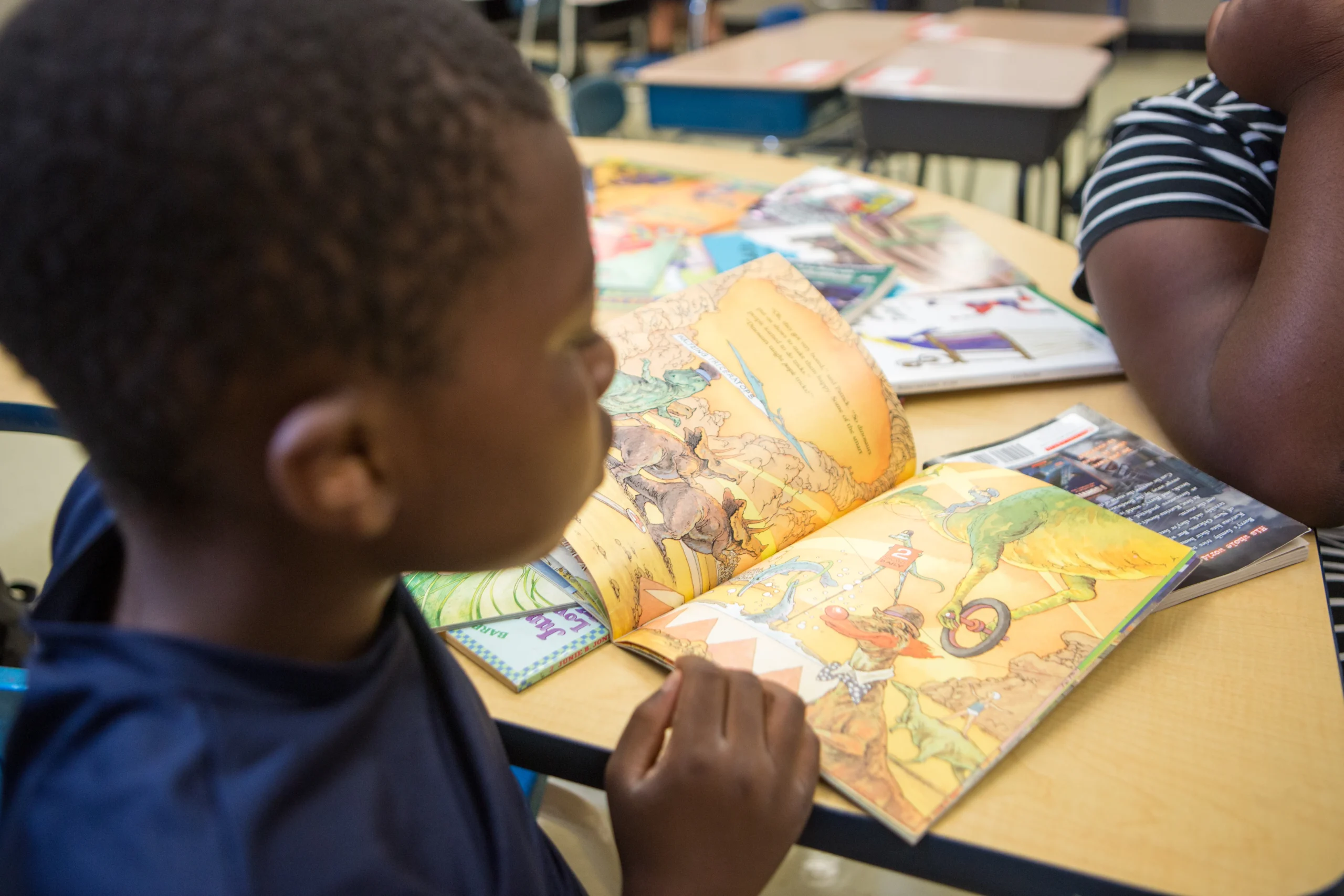
The Children’s and Young Adult Literature area of study is designed for doctoral students interested in exploring the history and evolution of the literary genre. Graduate coursework focuses on past and current trends, reader engagement, theories about reading and literacy development, reading pedagogies, and literary criticism.

Cultural Studies
Cultural Studies explores the relationships between culture, identity, and education. This area of study helps students examine how social, historical, and political contexts shape teaching and learning.

Deaf Studies
Deaf Studies explores the language, culture, and experiences of Deaf and hard-of-hearing communities. Students gain knowledge to support inclusive communication and education practices.

Design, Technology, and Data Science
This area of study explores how technology, design, and data shape learning in today’s classrooms and communities. With an emphasis on innovation, the program prepares educators and professionals to lead in technology-rich and data-informed educational settings.

Educational Psychology
Educational Psychology is an area of study that explores how people learn and develop, equipping students with research-based insights to support effective teaching, assessment, and student well-being.
Elementary Education
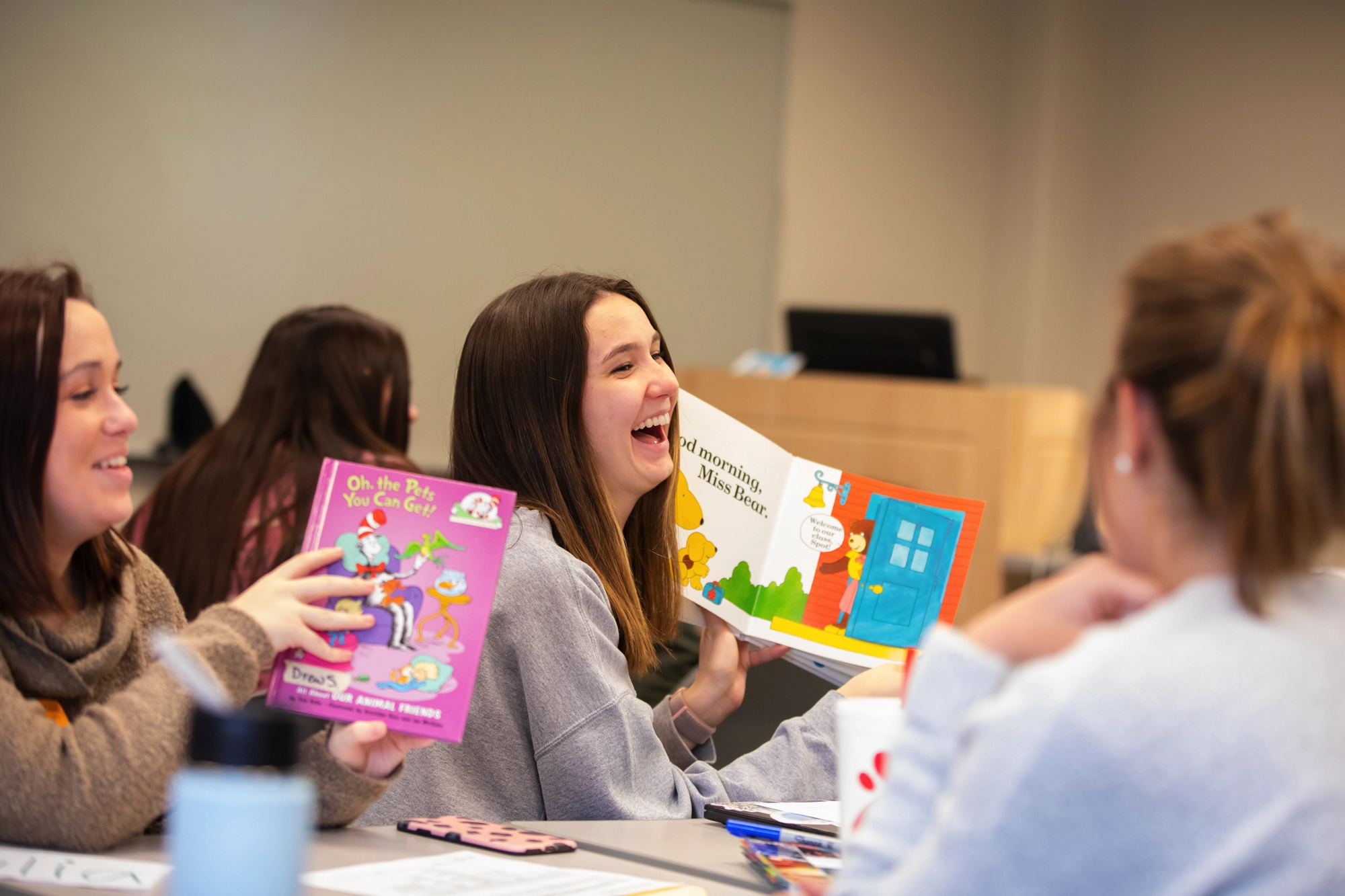
Elementary Education prepares students to teach young learners across core subject areas, with a focus on foundational skills, child development, and effective classroom practice.

English Education
English Education prepares educators and scholars to teach and study literature, writing, and language arts across a range of educational settings. Programs emphasize critical thinking, communication, and responsive approaches to diverse learners.

English as a Second Language
ESL programs prepare educators and scholars to support multilingual learners across K–12, adult, and higher education contexts. Coursework emphasizes language development, instructional strategies, and research on language learning and teaching.

Interdisciplinary
Early Childhood
The Interdisciplinary Early Childhood area of study prepares students to support young children’s learning and development through inclusive, play-based, and interdisciplinary approaches that build strong foundations for lifelong learning.
Literacy Education
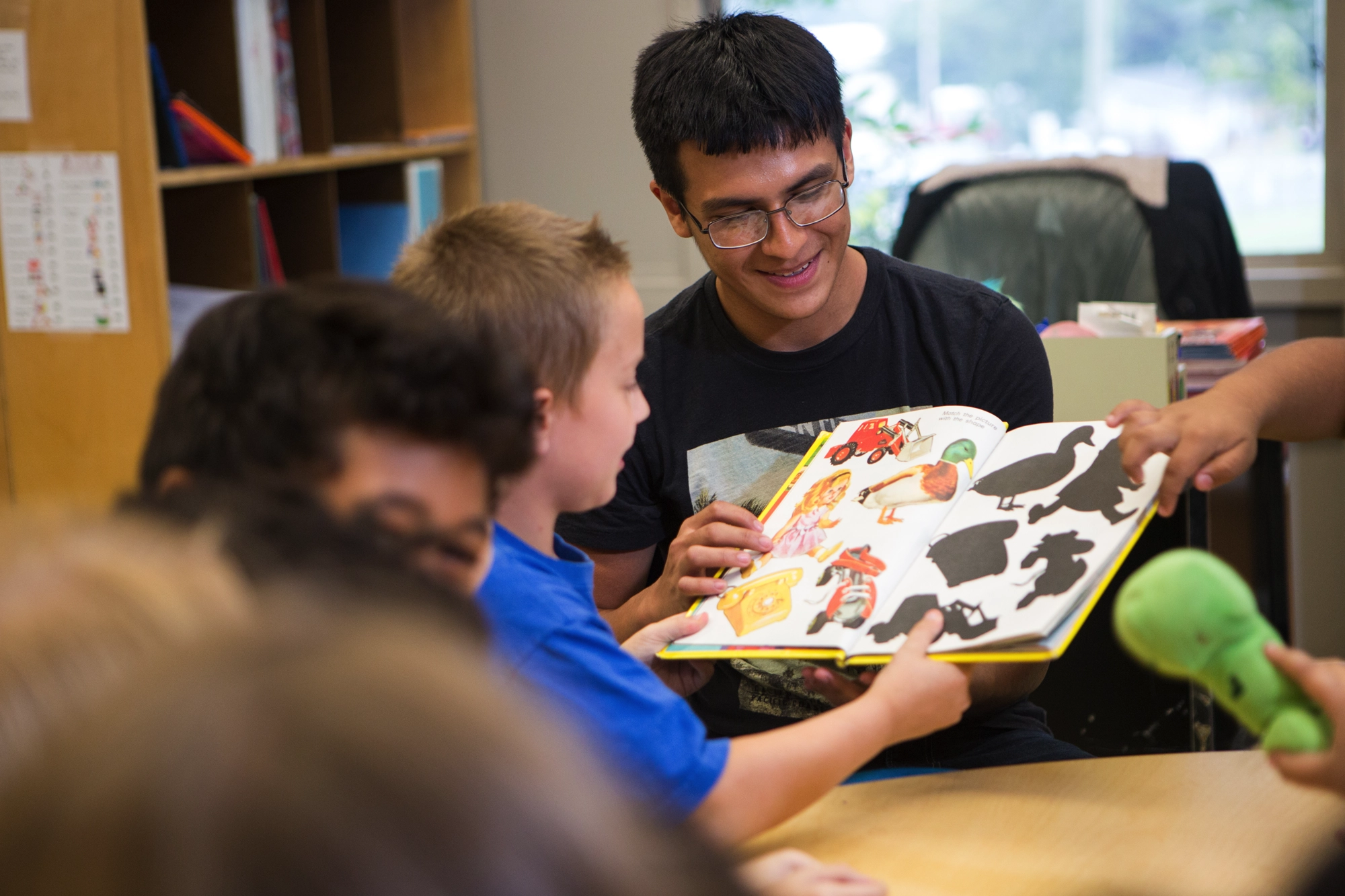
Literacy Education prepares educators and scholars to support reading, writing, and language development across age groups and settings. Programs focus on instructional methods, literacy theory, and research to advance effective and equitable literacy practices.

Mathematics and Science Education
The Mathematics and Science Education area of study equips students to engage learners in inquiry-based, meaningful exploration of math and science concepts across grade levels and learning environments.

School Psychology
School Psychology is an area of study that focuses on understanding and supporting the academic, behavioral, and emotional needs of children and youth in school settings through evidence-based assessment and intervention.

Social Science Education
Social Science Education prepares educators and scholars to teach history, civics, geography, and related fields. Programs emphasize inquiry-based teaching, critical thinking, and understanding social and cultural contexts in education.

Special Education
Special Education is an area of study dedicated to preparing educators to support learners with diverse abilities through inclusive, research-informed practices that promote access and meaningful learning outcomes.

World Language Education
World Language Education prepares teachers and scholars to support language learning across K–12, adult, and higher education contexts. Graduate and undergraduate programs emphasize language acquisition, intercultural competence, and effective instructional practices.
Many Pathways. Connected Work. Collective Impact.
In the Department of Theory and Practice in Teacher Education, offers multiple pathways for students pursuing a wide range of careers across education. Whether your interests lie in teaching and learning, research and inquiry, professional practice, or educational support, our programs connect learning across classrooms, communities, and educational systems—preparing graduates to make a meaningful impact across a broad range of educational settings.

Ready to join us on Rocky Top?
Search all of our available programs by clicking the button below.