

Research
Faculty and students engage in research on how people learn and teach mathematics, science, educational technology, computer science, and engineering across PreK-16 settings. Areas of focus include curriculum design, community engagement, identity development, and the use of varied resources to support meaningful STEM learning. This work supports the creation of accessible and empowering learning experiences—and prepares future educators, researchers, and leaders to make a lasting impact in STEM education.
Programs
STEM Education programs offer both undergraduate and graduate studies and pathways to becoming a teacher.
Undergraduate
Through the VolsTeach program, we offer a Bachelor of Science (B. S.) degree focused on mathematics or science education and a Minor in mathematics or science education.
More on B. S. in Education focusing on Secondary Math
More on B. S. in Education focusing on Secondary Science
More on Secondary Math and Science Minor
Graduate
We offer both licensure and non-licensure Master of Science (M. S.) and Educational Specialist (Ed. S.) programs as well as a Doctor of Philosophy (Ph. D.) degree that provides opportunities for focused study across the STEM disciplinary areas. The M.S. or Ed.S. programs in Teacher Education are designed for those seeking initial teacher licensure in mathematics or science. The Ed.S. programs in Mathematics Education, Science Education, or Educational Technology are distance education programs for those who already hold a teaching license. Finally, the M.S. and Ph.D. programs in STEM Education are designed for those seeking advanced study for practice or research across all STEM disciplines. We also offer a Graduate Certificate in STEM Leadership.
More on Graduate Certificate in STEM Leadership
More on M. S. in Teacher Education leading to Teacher Licensure in Math or Science
More on M. S. in Teacher Education focusing on Interdisciplinary STEM Education
More on Ed. S. in Teacher Education focusing on Math or Science Education
More on Ed. S. in Teacher Education focusing on Educational Technology (online)
More on Ph. D. in Education focusing on Interdisciplinary STEM Education
Students engage in research and practice to make STEM education learning meaningful, empowering, and connected.
Which graduate program is right for you?
I want to work as a classroom mathematics or science teacher in 6-12 public schools but do not have a teaching license.
You need to select a degree program that supports you to earn initial teacher licensure in either mathematics or science. For mathematics, you can earn your license to teach grades 6-8, 6-10, or 6-12. For science, you can choose a license to teach either grades 6-8 or 6-12. Both campus-based and online, distance education options are available.
- Option 1: M.S. in Teacher Education. Choose this option is you do not already have a master’s degree in education. Choose this option is you do not already have a master’s degree in education. You can choose either the campus-based or online, distance education option:
- The “Professional Internship Concentration” offers a campus-based program for those who already have a bachelor’s degree and want to become a licensed teacher. Admission requires an interview with the teacher education admissions board.
- The “Practitioner Concentration” allows you to earn your teaching license while simultaneously teaching full-time in a classroom. To complete the program, you must be hired by a partnering school district and work full-time in the classroom for at least one academic year (10 months). The program is an online, distance education program.
- Option 2: Ed.S. in Teacher Education. Choose this option is you have already earned a master’s degree in education and are currently employed by a partnering school district as a full-time teacher. Select the “Practitioner” concentration. The program is an online, distance education program..
Contact [email protected] for more help selecting the correct licensure program.
I already work as a licensed PreK-12 teacher and want to deepen my knowledge and practice for classroom teaching.
We offer several non-licensure options that allow you to deepen your knowledge and practice for classroom teaching in STEM. Any of these programs are perfect for teachers across PreK-12 who want to enhance their teaching of integrated STEM or the distinct disciplinary areas of science, educational technology and computer science, engineering, or mathematics. All of these programs are available fully online through distance education.
- Option 1: M.S. in Education focusing on Interdisciplinary STEM Education. Choose this option is you do not already have a master’s degree in education.
- Option 2: Ed.S. in Education focusing on mathematics education, science education, or educational technology. Choose one the Ed.S. program and one of the three focus areas if you already have a master’s degree in education.
- Option 3: Graduate Certificate program in STEM Leadership. Choose this option is you are not looking to earn an additional degree. This program provides professional learning experiences that can be completed part-time in one or two years.
These programs may allow you to add additional endorsements to your existing teaching license. Please contact [email protected] to learn about these options.
I want to work as a STEM educator in other educational contexts that do not require a teaching licensure (for example, non-profits or higher education).
Our STEM education faculty brings expertise in community-based STEM education through collaborations with non-profits, museums, and families. Several faculty members also focus on postsecondary STEM education. We’re excited to learn more about your interests and to help design a program that meets your needs!
- Option 1: M.S. in Education focusing on Interdisciplinary STEM Education This program is perfect for educators working with learners across PreK-16 and across contexts. You can choose to focus on integrated STEM or on education in the distinct disciplinary areas of science, educational technology and computer science, engineering, or mathematics.
- Option 2: Graduate Certificate program in STEM Leadership. This program is perfect for those looking to build their capacity as leaders in STEM education and can be completed part-time in one or two years.
Contact Frances Harper ([email protected]) for more information.
I want to become a teacher educator, instructional coach, or other leader in STEM education.
Our faculty are leaders in STEM education in the areas of teacher professional development, pre-service teacher education, community and family engagement, curriculum design and reform, and teaching and learning in higher education. We’re excited to learn more about your interests and to help design a program that meets your needs!
- Option 1: Graduate Certificate program in STEM Leadership. This program is perfect for those looking to build their capacity to lead STEM programming in schools or other contexts. The program can be completed part-time in one or two years.
- Option 2: M.S. in Education focusing on Interdisciplinary STEM Education. Choose this option if you are looking to earn an additional degree.
- Option 3: Ph.D. in Education focusing on Interdisciplinary STEM Education. Choose this option if you are interested in working in higher education as a teacher educator. This program prepares you to teach STEM teachers or content courses for future teachers at community colleges, colleges or universities.
Contact Frances Harper ([email protected]) for more information.
I want to become a researcher in STEM education.
The Ph.D. in Education focusing on Interdisciplinary STEM Education is designed to prepare individuals as researchers in integrated STEM or in education in the distinct disciplinary areas of science, educational technology and computer science, engineering, or mathematics. This degree program will prepare you for a faculty role in STEM education at a college or university or to work as an educational researcher in the private sector.
STEM Education Faculty
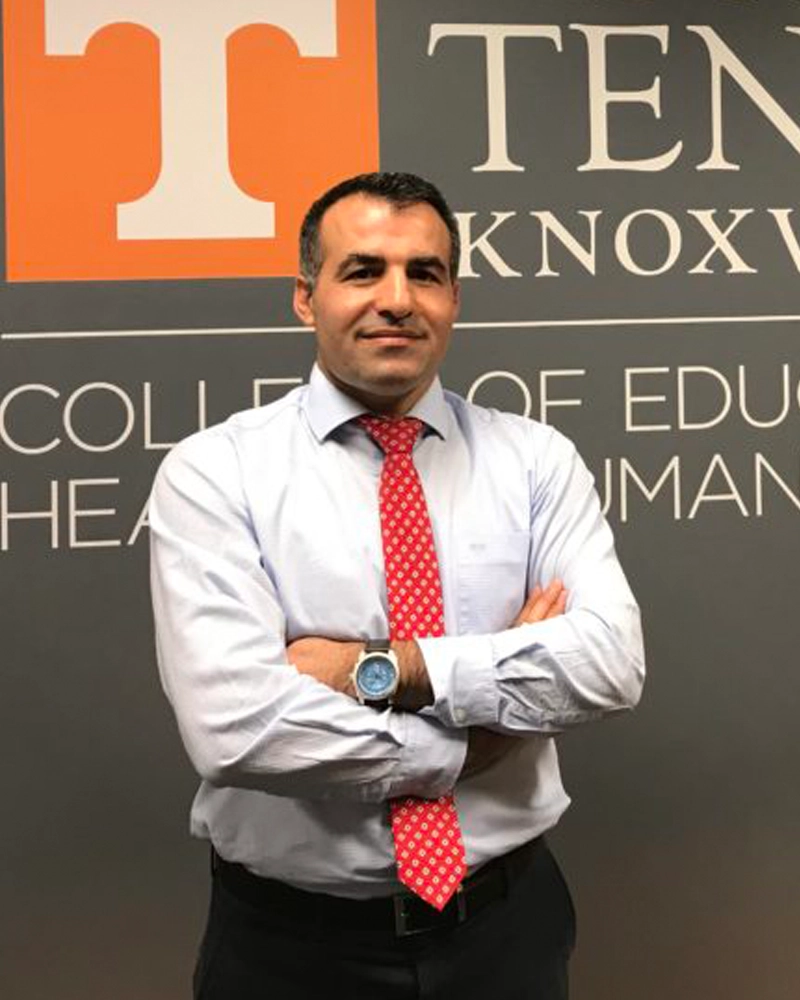

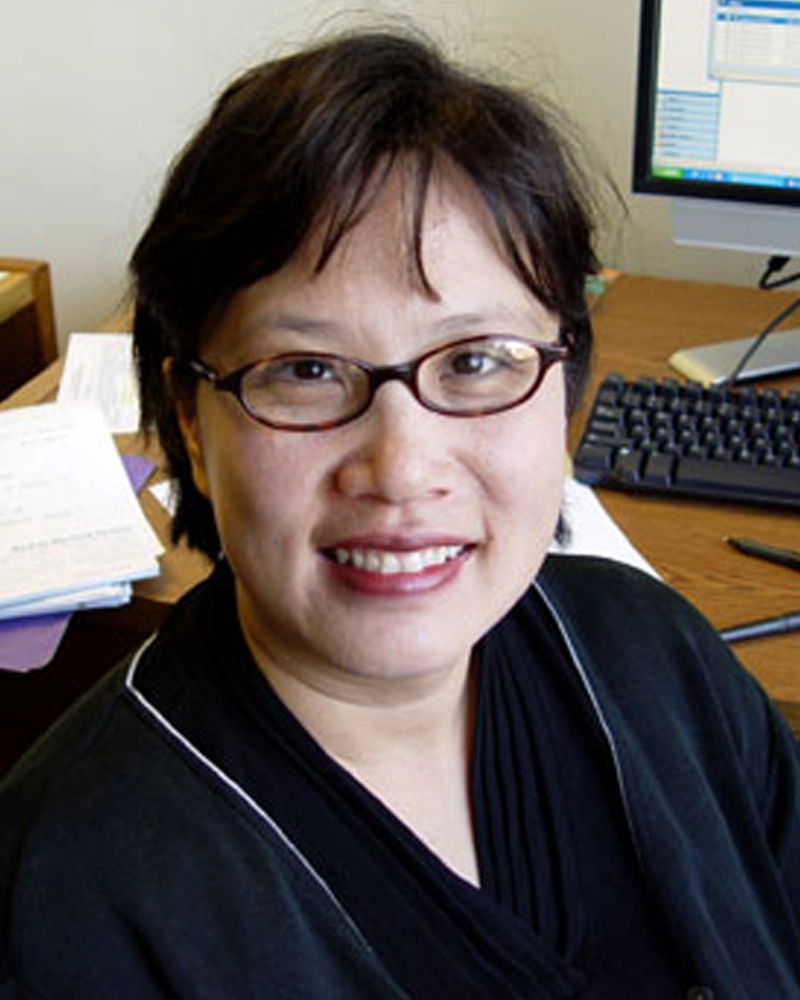


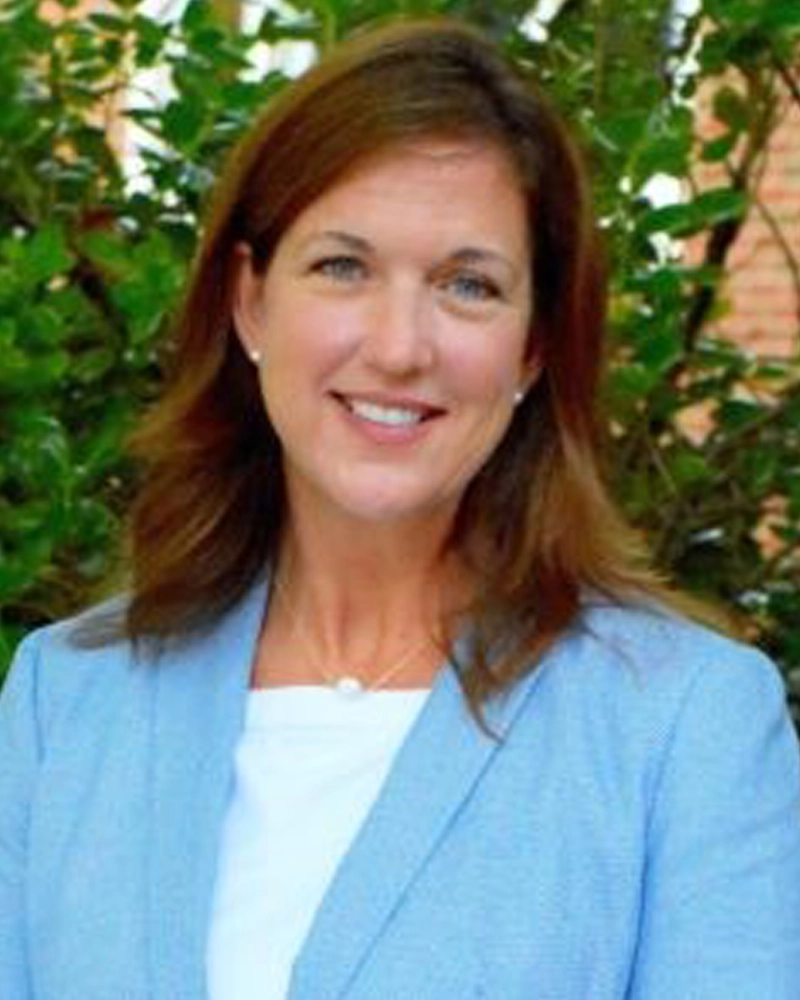


STEM Education Affiliated Faculty

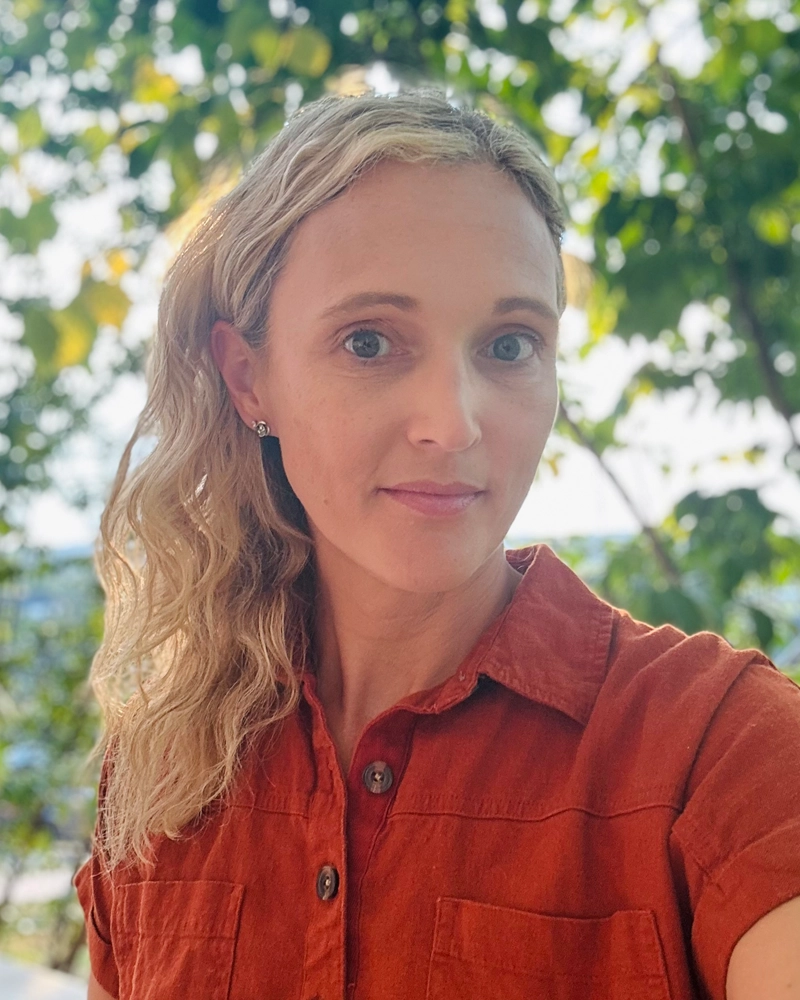


Sharing Recent Work From Faculty and Students
Computer Science Education
Caudle, L. A., Thompson, H. R., Quinn, M. F., Harper, F. K. & The CRRAFT Partnership. (2025). Preschool teachers’ pedagogical documentation: A snapshot of practices from computer science education. Contemporary Issues in Early Childhood. https://doi-org.utk.idm.oclc.org/10.1177/14639491251363261
Engineering Education
Carter,B., Reeves, S.M., Caro, V., Garbocci- Schmittlen, J., Millunchick, J. M. (2025). Material Science Education Research for Effective Teaching: Systemic Review. International Journal of Engineering Education, 41(5),1-12.
Mathematics Education
Jung, H., Coleman-King, C., Brown, T., Harper, F.K, and others (2026). Toward culturally responsive algebra: Evaluating and revising mathematical tasks. International Journal of Science and Mathematics Education, 24, 48. https://doi.org/10.1007/s10763-026-10667-x
Science Education
Kirkpatrick, Y. (2024). Science for all: Ecological-based models and educational activism. In T. Flowers (Ed.), The urban education sourcebook on Instruction and Supervision (pp. 40). Cambridge Scholars Publishing.
Postsecondary Science Education
Cuddington, K., Abbott, K., Adler, F., Aydeniz, M and others (2023). Challenges and opportunities to build quantitative self-confidence in biologists. BioScience, 73(5), 364–375. https://doi.org/10.1093/biosci/biad015
STEM Teacher Education
Maples, A., Hodge, L., & Kim, N. (2024). Gaining insights into community engagement efforts: Learning from preservice STEM educators. Journal of Community Engagement and Higher Education, 16(1), 55–68.