
Researchers at the University of Tennessee, Knoxville, will evaluate a new statewide effort to strengthen services for parents who have experienced domestic violence and their children. The project pairs expanded clinical services at The Mary Parrish Center, a Nashville non-profit, with training and support for domestic violence programs statewide, including in rural communities where specialized services for children are hard to reach.
The two-year $700,000 project is funded by the Office of Family Violence Prevention and Services, part of the Administration for Children and Families in the U.S. Department of Health and Human Services. This federal grant is a continuation of an ongoing, community-engaged partnership. Tennessee Coalition to End Domestic & Sexual Violence leads the project. The intervention is implemented by the clinical team at The Mary Parrish Center in Nashville, while UT researchers evaluate the intervention and outcomes for participating mothers and their children.
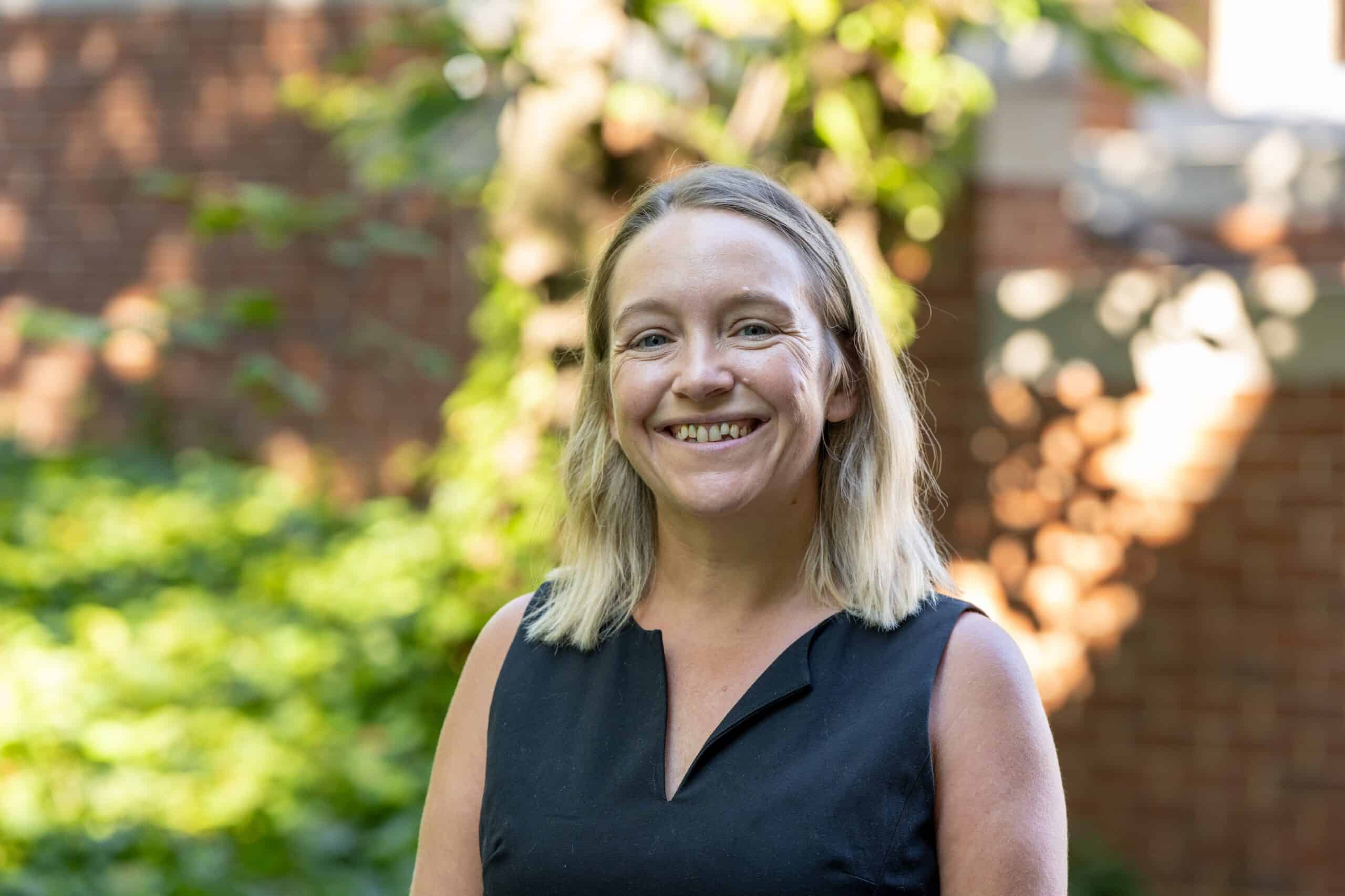
The UT team is led by Kristen Ravi, an associate professor in the College of Social Work, and Megan Haselschwerdt, an associate professor in the Department of Counseling, Human Development, and Family Science in the College of Education, Health, and Human Sciences, who serves as co-principal investigator. Ravi will lead the needs assessment and quantitative evaluation.
The project builds on the Mary Parrish Center’s implementation of the Moms’ Empowerment Program and Kids’ Club, a 10-week program in which mothers and children meet in concurrent groups. Free childcare from trauma-informed and neuroaffirming providers and transportation help make it possible for families to attend.
An ongoing, central goal of the intervention is helping parents and children talk about the violence they experienced. “Most parents who have been abused and have kids in the home don’t know how to talk with their children, who were also exposed to the violence,” Haselschwerdt said. “There’s very little conversation around it. Research shows that giving mothers and children the tools to talk about what happened, and about their safety moving forward, protects the mental health and well-being of both.”
In their prior evaluations, participating mothers reported more confidence talking with their children about domestic violence and helping them cope. Children showed fewer behavioral difficulties and were less likely to view family violence as acceptable.
“Most people who have been victimized and have kids in the home oftentimes don’t know how to or what to say to their kids who have also been exposed to the violence,” Haselschwerdt said. “There’s very little conversation around it, and research shows that giving children and the mother the tools to have conversations around what’s occurred and their safety moving forward is protective for the mental health and well-being of both the kids and the victimized parent,” added Ravi.
The program also covers parenting during an extremely stressful time, including discipline that moves away from physical punishment. Mothers practice slowing down before responding, along with mindfulness and breathing techniques they can use with their children.
“Mothers learn more about basic child development, so they can see that many behaviors that seem problematic are a normal part of growing up,” Haselschwerdt said. “Instead of a timeout or physical discipline, a parent and child take time together to calm down. Breathing and co-regulating together, rather than sending kids off on their own, gives kids a different model for handling hard feelings.”
However, a weekly intervention group does not work for every family. Work and school schedules, a child’s developmental or behavioral needs, and a survivor’s own preferences can make a 10-week group untenable. To address these limitations, the team added optional mother-child-centered therapy and grounded all the therapeutic options in the Attachment, Regulation and Competency (ARC) framework, which was developed to help children recover from complex trauma.
Families can take part in group or individual services, or both, and the mix can change as their needs change. The Mary Parrish Center expects to serve about 45 parents and 40 children each year.
The Tennessee Coalition will turn what the partners learn into training, technical assistance, and a practical toolkit for domestic violence programs statewide. Much of that support will go to rural and resource-limited communities, where survivors often live far from services and programs may not have therapists on staff. The goal is to help each program adapt what fits its community rather than copy the Nashville model.
If you or someone you know is experiencing domestic violence, intimate partner violence, or coercive control, please know that you are not alone and help is available.
National Domestic Violence Hotline: Call 1-800-799-SAFE (7233) or text “START” to 88788. Available 24/7, free, and completely confidential. You can also chat online at The Hotline.
Crisis Text Line: Text “HOME” to 741741 to connect with a crisis counselor 24/7.